House Republicans have scheduled a committee markup Wednesday on a bill to restrict congressional stock trading, an issue they’ve vowed to address this year.
The Stop Insider Trading Act, released Monday, is not a full stock trading ban, as many lawmakers want, but it would prohibit members of Congress, their spouses and dependent children from purchasing publicly traded stocks.
The bill does not prohibit lawmakers from selling stock they already own, but requires them to provide public notice at least seven days before doing so. For each sale, the House Ethics Committee would charge them a $2,000 fee, or 10% of the investment’s value, whichever is greater.
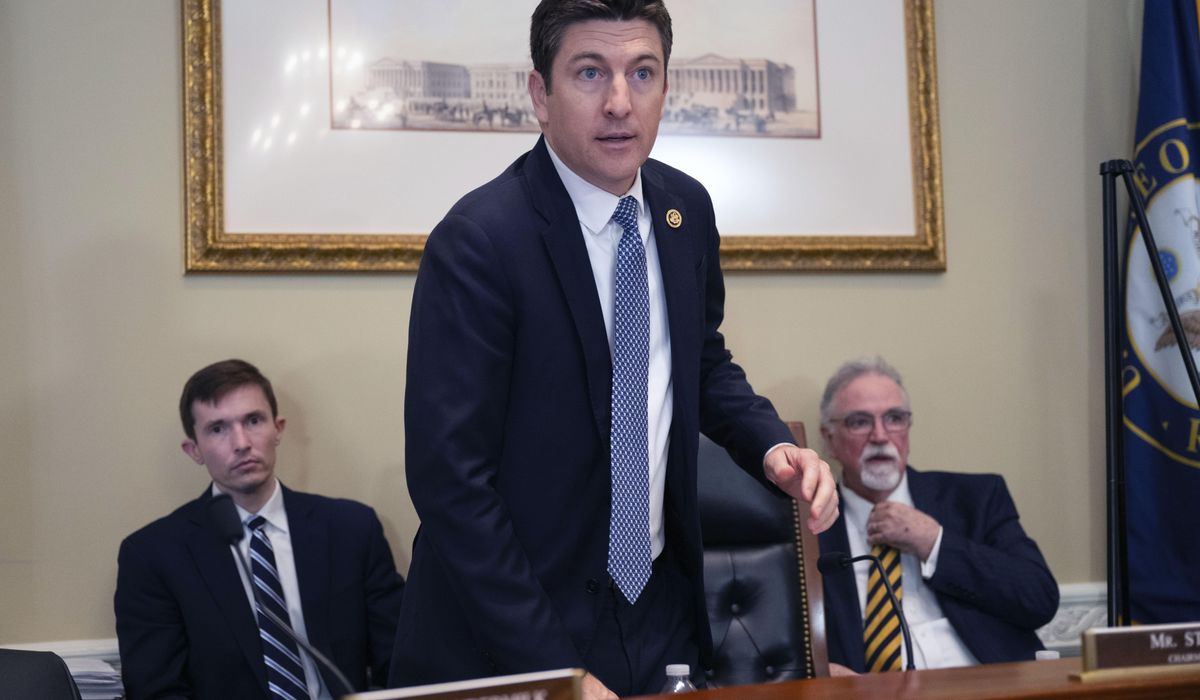
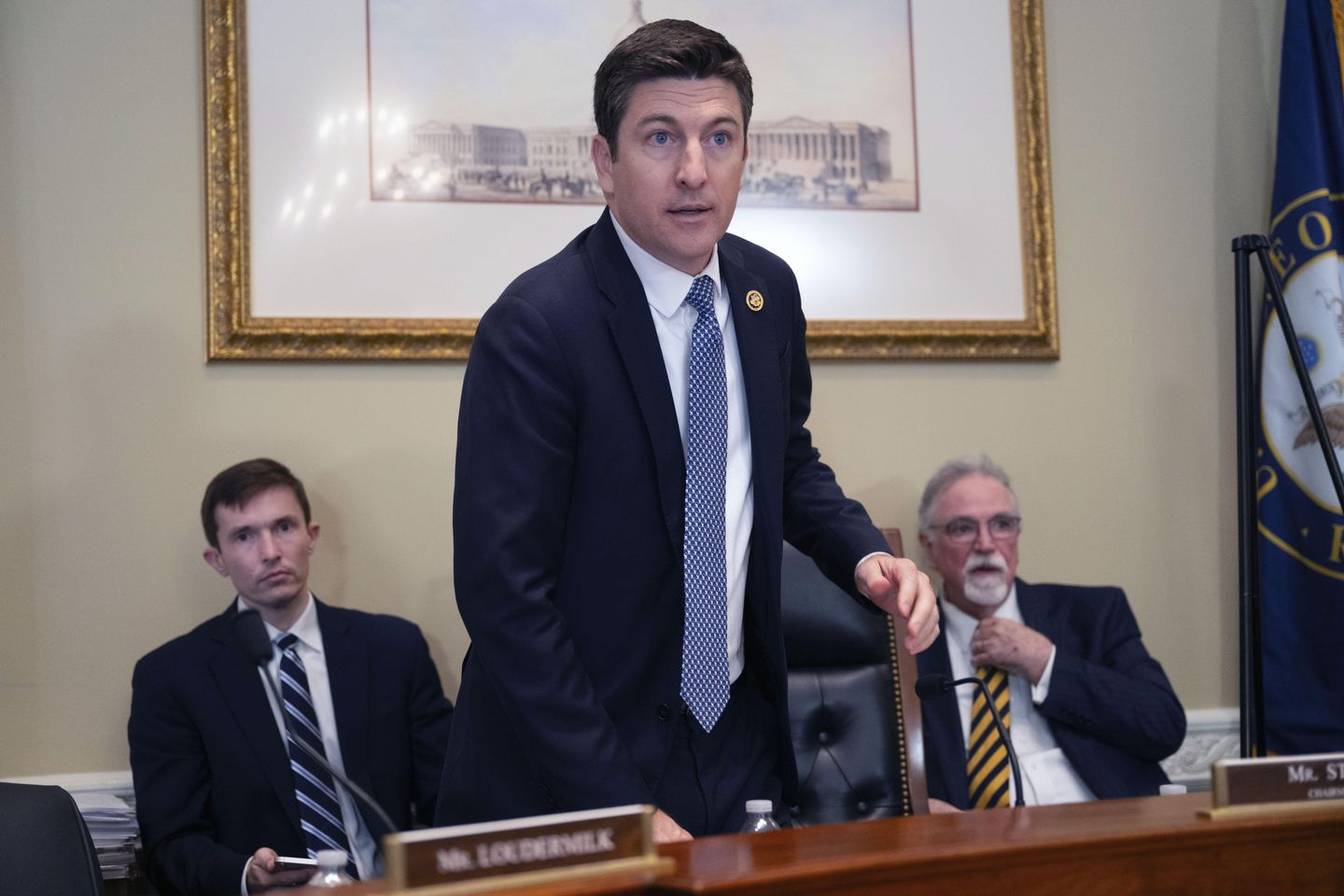
House Administration Chairman Bryan Steil, Wisconsin Republican and lead sponsor of the bill, said the change is needed to restore the public’s trust in their elected officials.
“The American people deserve to know their member of Congress is not profiting off insider information. The Stop Insider Trading Act ensures that cannot happen,” he said. “If you want to trade stocks, go to Wall Street, not Capitol Hill.”
The measure is broadly supported by House Republicans on the Administration Committee, which will take it up on Wednesday, and others in the conference, including Reps. Chip Roy of Texas and Anna Paulina Luna of Florida, who had been leading efforts to enact a broader stock trading ban.
“This bill is a collaborative product that takes a giant step forward to restore trust by ending stock purchases and forging pre-sale disclosure,” Mr. Roy said.
House Speaker Mike Johnson and Majority Leader Steve Scalise, both Louisiana Republicans, have promised a floor vote on the legislation soon after it clears the committee.
“This legislation represents an important step in our efforts to restore the people’s faith and trust in Congress,” Mr. Johnson said. “Both Republicans and Democrats will have an opportunity to make their voices heard and affirm their support.”
Ms. Luna had filed a discharge petition to force a vote on a broader stock trading ban. The petition was short of the 218 signatures needed, but it prompted GOP leaders to work with her and others on the compromise measure.
“This is a win, but it should be noted that this would not have happened if individual members, both Democrats and Republicans, had not stepped forward to call this out on both sides,” she said on social media. “I look forward to reviewing the full text, but based on the toplines discussed over the past few weeks, this is a step in the right direction, and I look forward to supporting it on the floor.”