Don’t miss the full story from our staff writers, whose reportage is the basis of this article.
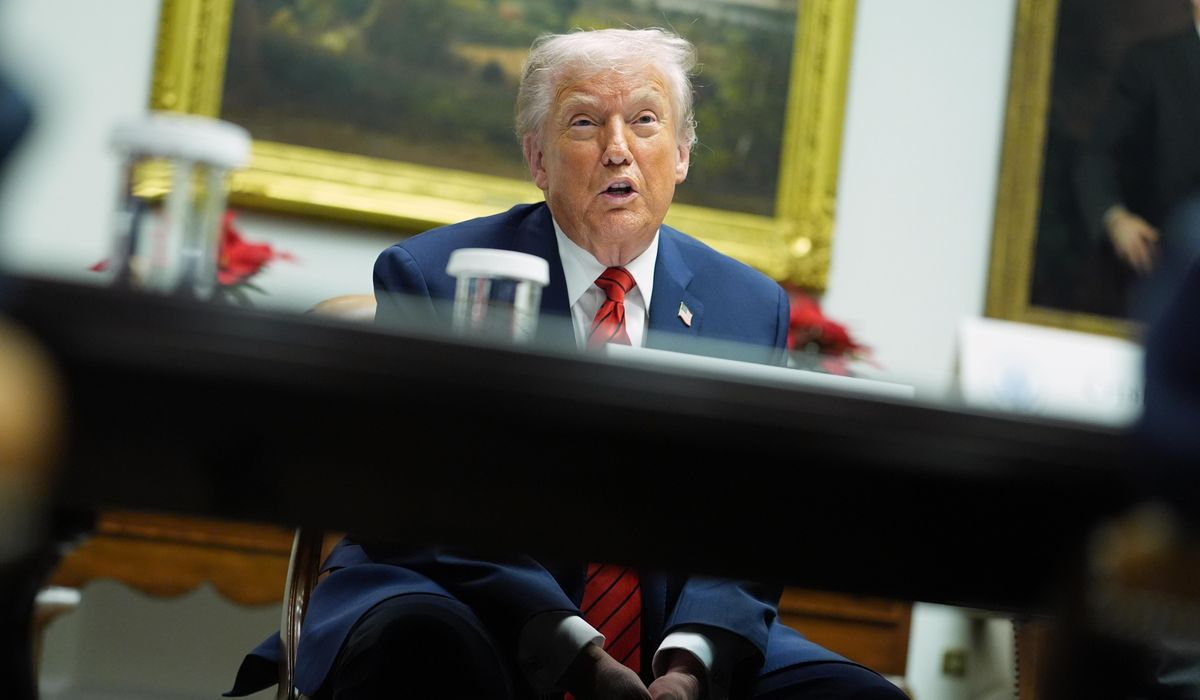
President Trump issued an executive order on Thursday blocking states from regulating artificial intelligence and establishing federal guidelines to govern the nation’s AI policy. The order creates an AI Litigation Task Force under Attorney General Pam Bondi, tasked exclusively with challenging state AI laws in court on grounds they unconstitutionally regulate interstate commerce, conflict with existing federal regulations, or are otherwise unlawful.
The directive also instructs Commerce Secretary Howard Lutnick to notify states with challenged AI laws that they will lose eligibility for the $42 billion Broadband Equity Access and Deployment program, which distributes federal technology funds to all U.S. states and territories.
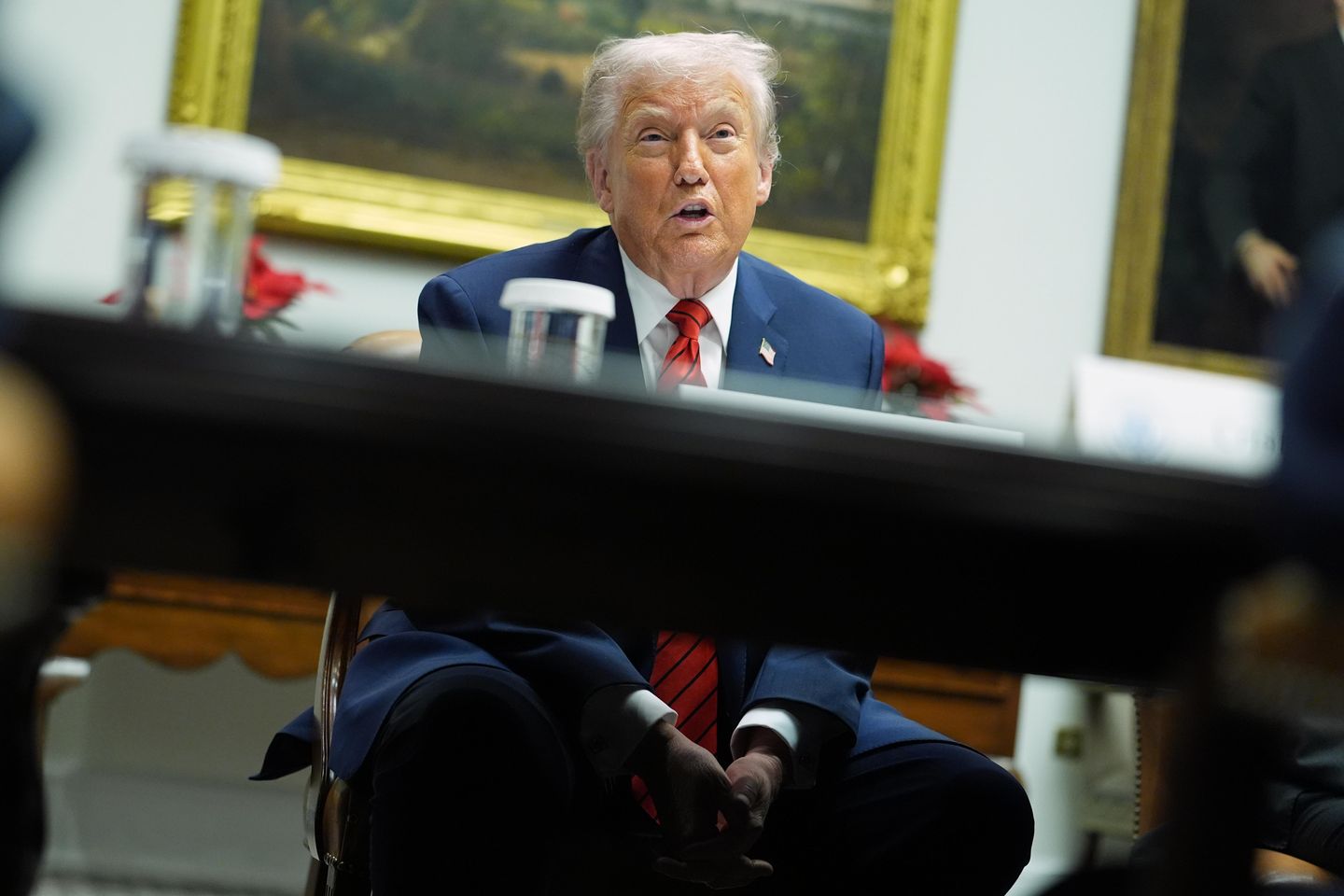
During the Oval Office signing ceremony, Trump argued that a centralized approval system is necessary for American competitiveness against China. He emphasized that requiring AI companies to obtain approvals from 50 different states would be impractical and that one hostile state could undermine the entire industry.
Trump noted that China maintains a central approval authority, positioning it as a model for regulatory efficiency.
White House AI Czar David Saks highlighted that over one thousand AI regulation bills exist across state legislatures, creating what he called a “confusing patchwork” of regulations that generate economic uncertainty. Saks claimed the order would eliminate “onerous” AI regulations while preserving safety laws protecting children.
Democrats condemned the initiative as a gift to tech billionaires that removes critical AI safeguards. Alex Bores, a Democratic congressional candidate in New York’s 12th District, accused Trump of opening doors to AI dangers rather than addressing them.
House Majority Leader Steve Scalise expressed support for the order, calling it an important step while continuing congressional efforts to codify the state regulation ban after a failed attempt to include it in the annual defense bill. Scalise argued that California’s regulatory approach undermines American technological dominance and that Trump’s action would unlock billions in additional investment.
Several states had previously passed AI laws addressing deepfakes, algorithmic discrimination in hiring, and other potentially harmful applications. Critics warn that unchecked AI development could allow tech companies to evade accountability for consumer harm.
Congress blocked a Republican attempt in July to impose a 10-year moratorium on state AI regulations, with the Senate voting overwhelmingly to remove the provision from Trump’s Big Beautiful Bill.
Even some Republicans criticized the approach, with Florida Governor Ron DeSantis calling it “federal government overreach” that subsidizes Big Tech while preventing states from protecting against censorship, predatory applications targeting children, intellectual property violations, and data center resource demands.
Read more: Trump signs order to block states from regulating AI
This article is written with the assistance of generative artificial intelligence based solely on Washington Times original reporting and wire services. For more information, please read our AI policy or contact Ann Wog, Managing Editor for Digital, at awog@washingtontimes.com
The Washington Times AI Ethics Newsroom Committee can be reached at aispotlight@washingtontimes.com.