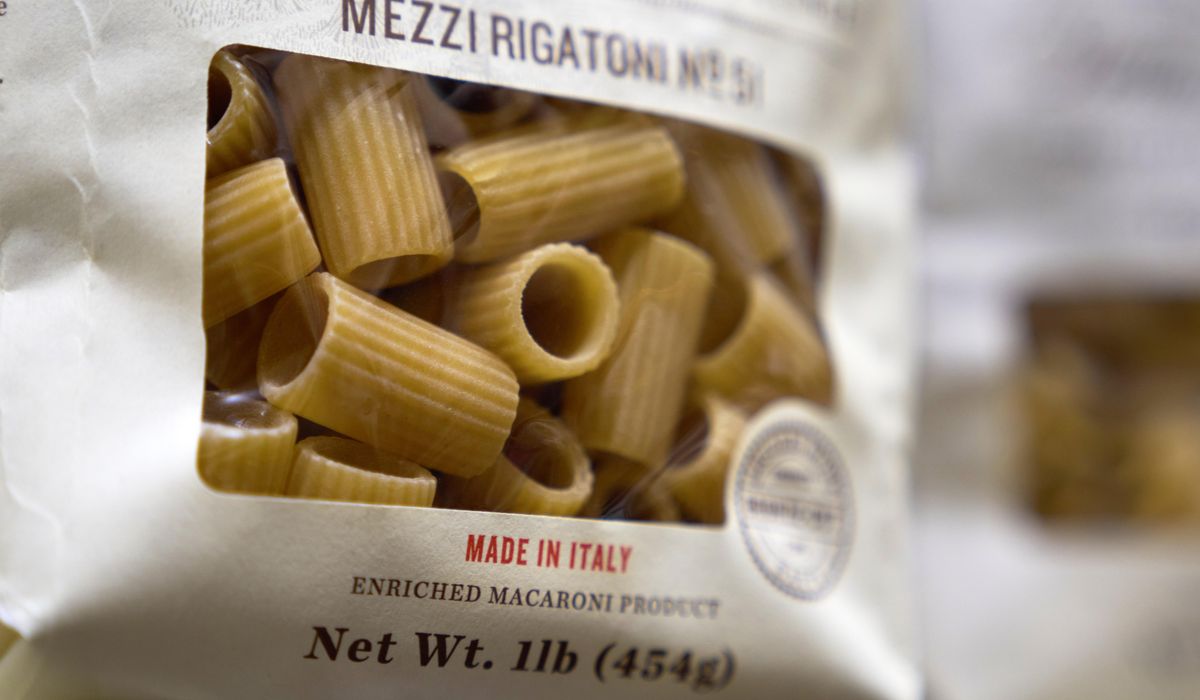
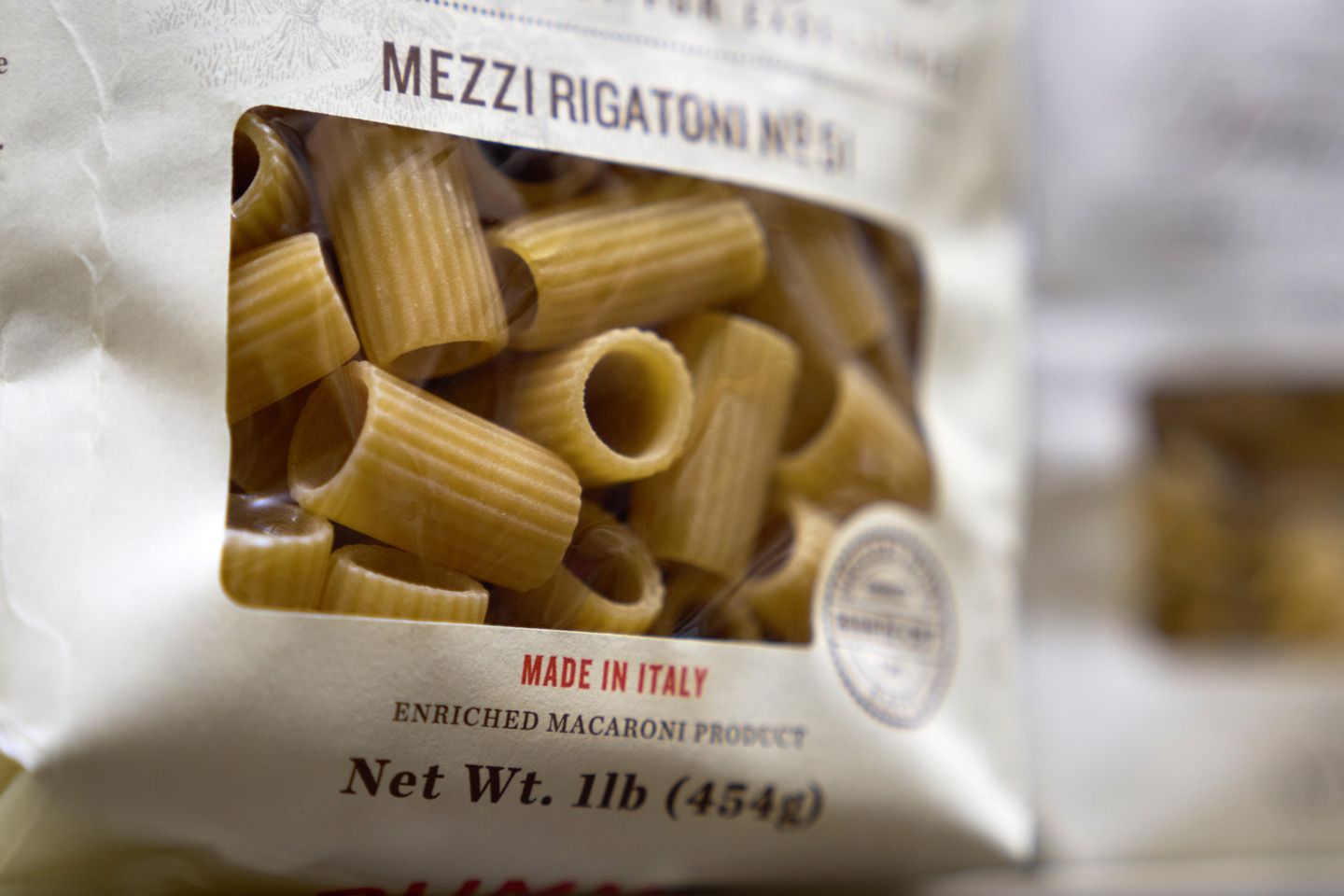
You may not have to say farewell to your favorite fettuccine until next April.
The government’s plan to slap a huge tariff on imported Italian pasta that would double prices and leave store shelves empty sent shockwaves through the Italian-American community and food connoisseurs everywhere.
But thanks to the recent government shutdown, the looming levy planned for the New Year has been delayed until at least February, and possibly next spring, a Trump administration official told The Washington Times.
That gives the Italian companies more time to work with the Commerce Department, possibly reducing or eliminating the penalty.
“Due to the government shutdown this fall, the final determination is now scheduled for February 18, 2026, with a possible extension of up to 60 days,” the official said.
President Trump has been blamed for rising prices tied to his tariffs on products, including a 15% levy on European Union goods that Mr. Trump negotiated in July.
But the penalty of nearly 92% that looms for Italian pasta was set by the Commerce Department following an anti-dumping investigation that started during the final year of the Biden administration. The Commerce Department has had an ongoing surveillance of potential pasta dumping from Italy that began in 1996.
The latest tariff threat followed complaints from two U.S. producers, macaroni and cheese maker Wacky Mac and Ronzoni, which produces a full line of pasta.
They accused Italian pasta exporters of artificially lowering prices in order to expand their sales in U.S. grocery stores, specialty markets and restaurants.
Commerce officials initiated a pricing review in August 2024.
They examined 18 Italian pasta companies that export to the United States and decided in September that a 92% anti-dumping levy should be imposed on 13 companies.
They recommended the levy after two of the companies, Garofalo and La Molisana, “did not provide information requested by the Commerce,” and were determined to be “uncooperative.”
Subsequent requests for data from Commerce officials went unanswered, and officials responded in September by slapping a preliminary “weighted average dumping margin” for all 13 pasta companies, dating from July 1, 2023, until June 30, 2024.
Commerce Department officials accuse the companies of selling their products in the United States at less than normal value — approximately 92% less — during that time.
A final determination on setting the duty has been postponed a few times, leaving the Trump administration in the uncomfortable position of angering legions of Italian-food fans, not to mention Italian pasta producers who say the tariffs will destroy sales in the U.S., their second-largest importer.
Italian pasta is revered for its “al dente” texture produced by simple ingredients of durum wheat semolina and water, and a low-temperature, slower drying process.
Combined with the existing E.U. tariffs negotiated by Mr. Trump, the 13 pasta companies face levies of up to 107%, which would be passed on to consumers or result in the companies no longer exporting their pasta products to the U.S.
The Trump administration official said the 92% tariff was set by the Commerce Department, not the president, and will not lead to the kind of negotiations Mr. Trump is engaged in on the tariffs he has unilaterally imposed. He can’t interfere.
Instead, the companies must work directly with the Commerce Department to provide the data needed for their review.
“The anti-dumping duties are set by an independent process that the administration has no control over, and the preliminary 92% duty was determined after the pasta makers in question did not fully comply with a routine data request,” the official said.
The Times reached out to the Commerce Department.
Most of the pasta companies on the list voluntarily provided sales data to the Commerce Department, while major exporters La Molisana and Pasta Garofalo have denied dumping accusations.
La Molisana argued in a brief submitted to the Commerce Department last month that the U.S. government miscalculated the price differential by treating net prices as gross prices.
Barilla, which also produces a U.S. product, faces paying the penalty on its imported Italian pasta.
“The Barilla Group is affected by the Department of Commerce’s preliminary decision as it currently stands. We are therefore evaluating possible initiatives ahead of the final determination next year. Since the matter is still under evaluation by the DoC, Barilla is unable to provide further comment at this stage,” a spokesman said.
Rummo, which is on the list of pasta importers facing the tariff, warned it would have to hike the cost of its products if the penalty is implemented.
Rummo pasta was on sale for $3 at an Edgewater, Maryland, Giant grocery store on Tuesday. Barilla’s American-made pasta was selling at the same store for $1.99 a box.