The Supreme Court Tuesday will hear from an architect of the Trump-Russia Collusion hoax.
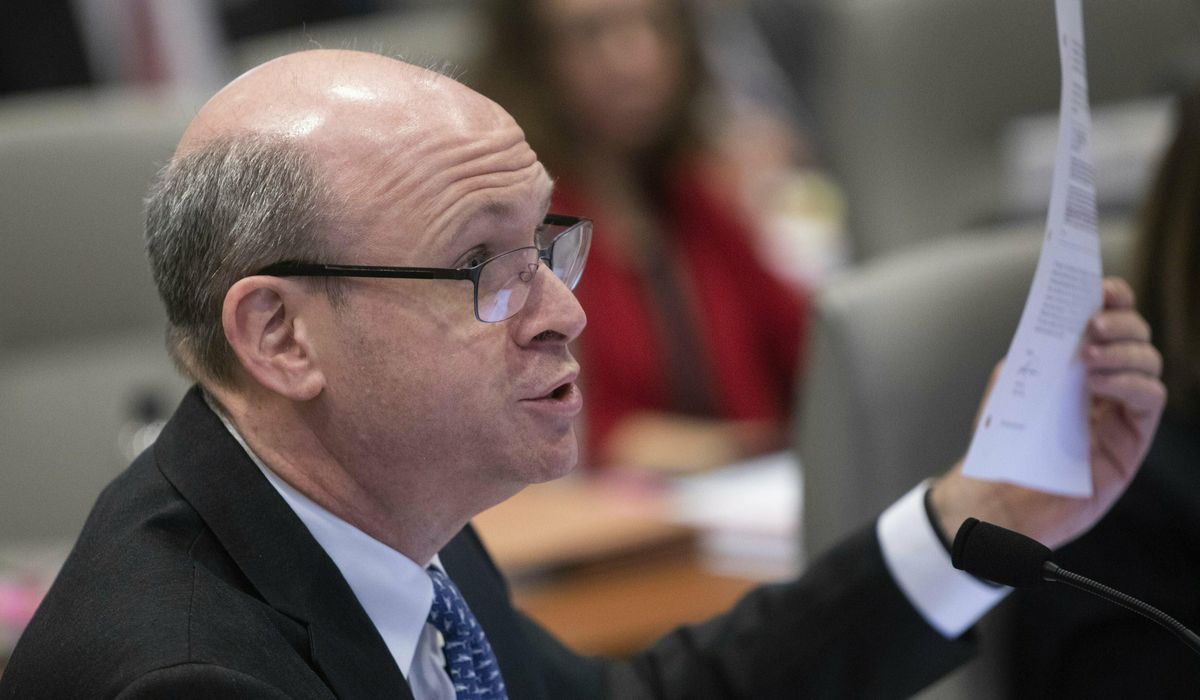
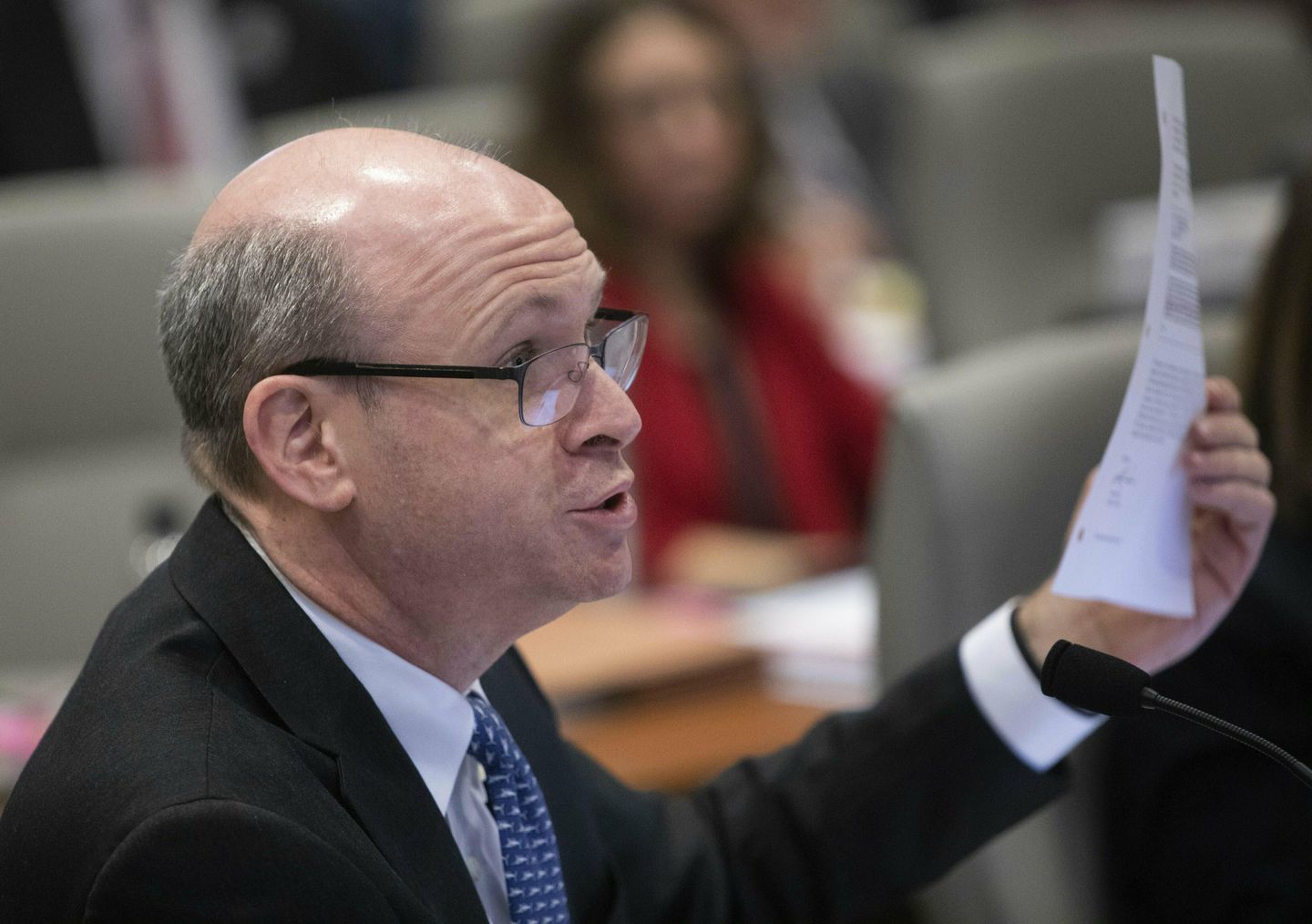
Democratic activist and pit bull lawyer Marc Elias, a central figure in producing the discredited “Steele Dossier,” will argue before the high court on behalf of the Democratic National Committee against loosening restrictions on how much political parties can spend in coordination with candidates.
Once called “Darth Vader with a law degree,” Mr. Elias has been brawling in and outside the courtroom for decades to help Democrats win elections. His aggressive legal tactics have earned him high praise from his own party, intense criticism from Republicans and a federal court sanction for crossing the line on ethics.
Mr. Elias is most reviled by the right for his role in bankrolling the Steele Dossier, an opposition research document filled with unverified, salacious claims about then-candidate Donald Trump that was circulated during the 2016 presidential campaign.
Mr. Elias was working for the DNC and Hillary Clinton’s presidential campaign when he hired Fusion GPS to dig for dirt on Mr. Trump. The resulting report was filled with unverified and jaw-dropping claims about Mr. Trump.
Obama officials used the dossier to help justify a secret probe into the Trump campaign’s alleged connections to Russia. The secret probe morphed into a special counsel investigation that found no collusion but nonetheless largely hobbled Mr. Trump’s first White House term.
On Tuesday, Mr. Elias will be back in the spotlight arguing against the Senate GOP campaign arm in NRSC v. FEC, a case in which Republicans and Vice President J.D. Vance are seeking to remove longstanding limits on how much political parties can spend in coordination with federal candidates.
Legal scholar Jonathan Turley, a professor of public interest law at George Washington University, said Mr. Elias’s appearance before the high court is notable due to his deep involvement in the Russia collusion scheme, which earned Democrats a hefty federal fine, as well as his vocal criticisms of some of the high court justices who have ruled in favor of Mr. Trump and Republicans.
“Arguing for protecting the integrity of elections will be someone viewed by many as having played a critical role in one of the greatest political hoaxes in history, and someone who heads groups sanctioned by both the judiciary and the federal government for legal actions,” Mr. Turley said.
Mr. Elias did not immediately respond to an inquiry from The Washington Times.
The Biden administration distanced itself from Mr. Elias after souring on his hyper-aggressive legal tactics, which critics argued were beginning to backfire.
A federal appeals court sanctioned Mr. Elias in 2021 for filing a “redundant and misleading” motion in a lawsuit on behalf of Democrats challenging the ban on straight-ticket voting in Texas.
In 2022, the Federal Election Commission imposed a $113,000 fine on the Clinton campaign and the DNC for failing to disclose their funding of the dossier.
Democrats, however, can’t resist his winning streak.
Mr. Elias’ prominent legal victories include the 2008 election recount in Minnesota that led to an extremely narrow victory by Democrat Al Franken, and a slew of election law cases in North Carolina, Montana and other states in which he successfully blocked efforts to redraw congressional maps or restrict ballot access.
Mr. Elias prevailed in nearly every case against dozens of lawsuits filed by the Trump campaign team in 2020 that sought to overturn President Biden’s victory.
“His record of success speaks for itself,” said T.J. Rooney, an attorney and former chairman of the Pennsylvania Democratic Party. “On any election matter that even remotely touches the federal government…he’s always started out as our bulldog, our go-to guy.”
Mr. Elias will argue ahead of a Supreme Court ruling that could be significant to the 2026 midterm elections.
A ruling in favor of the National Republican Senatorial Committee to lift limits on coordinated spending could result in unlimited spending on campaign advertising that is now somewhat reined in by the caps.
Republicans argue the limits violate the First Amendment. Democrats, in a September brief filed at the Supreme Court, argue that removing the limits would “massively destabilize campaign finance law,” and that leaving them in place prevents donors from using political parties “as conduits to evade their base limits” on contributions.