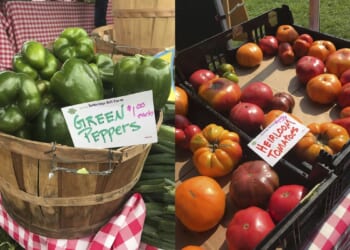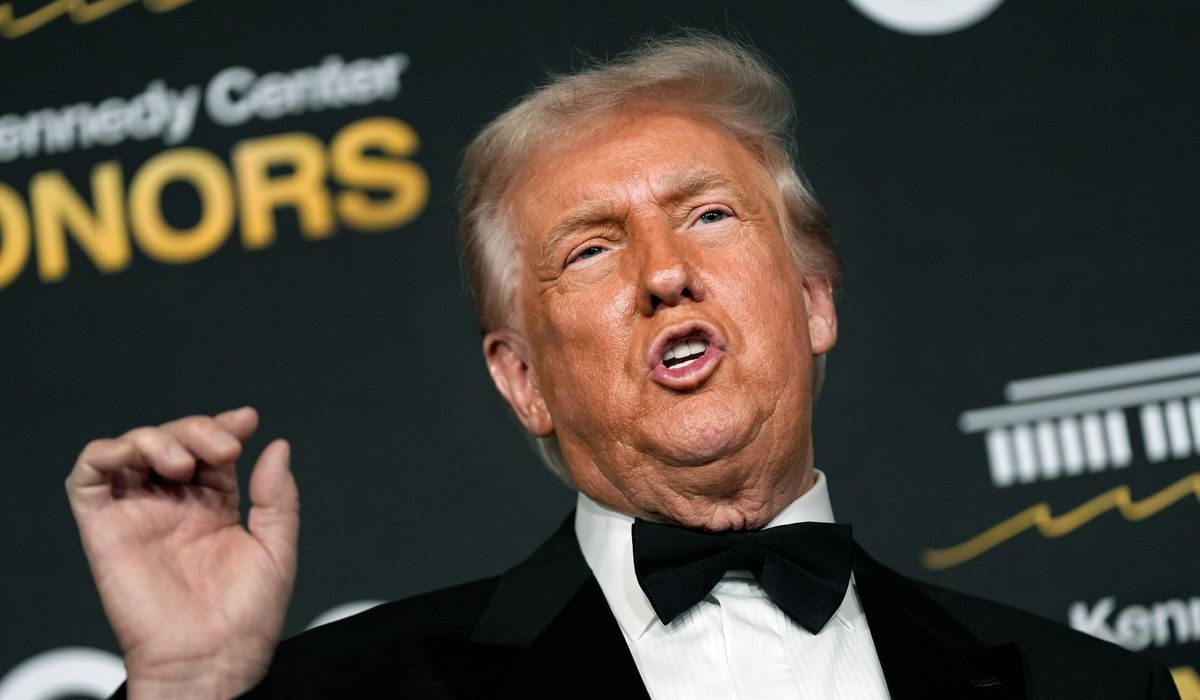
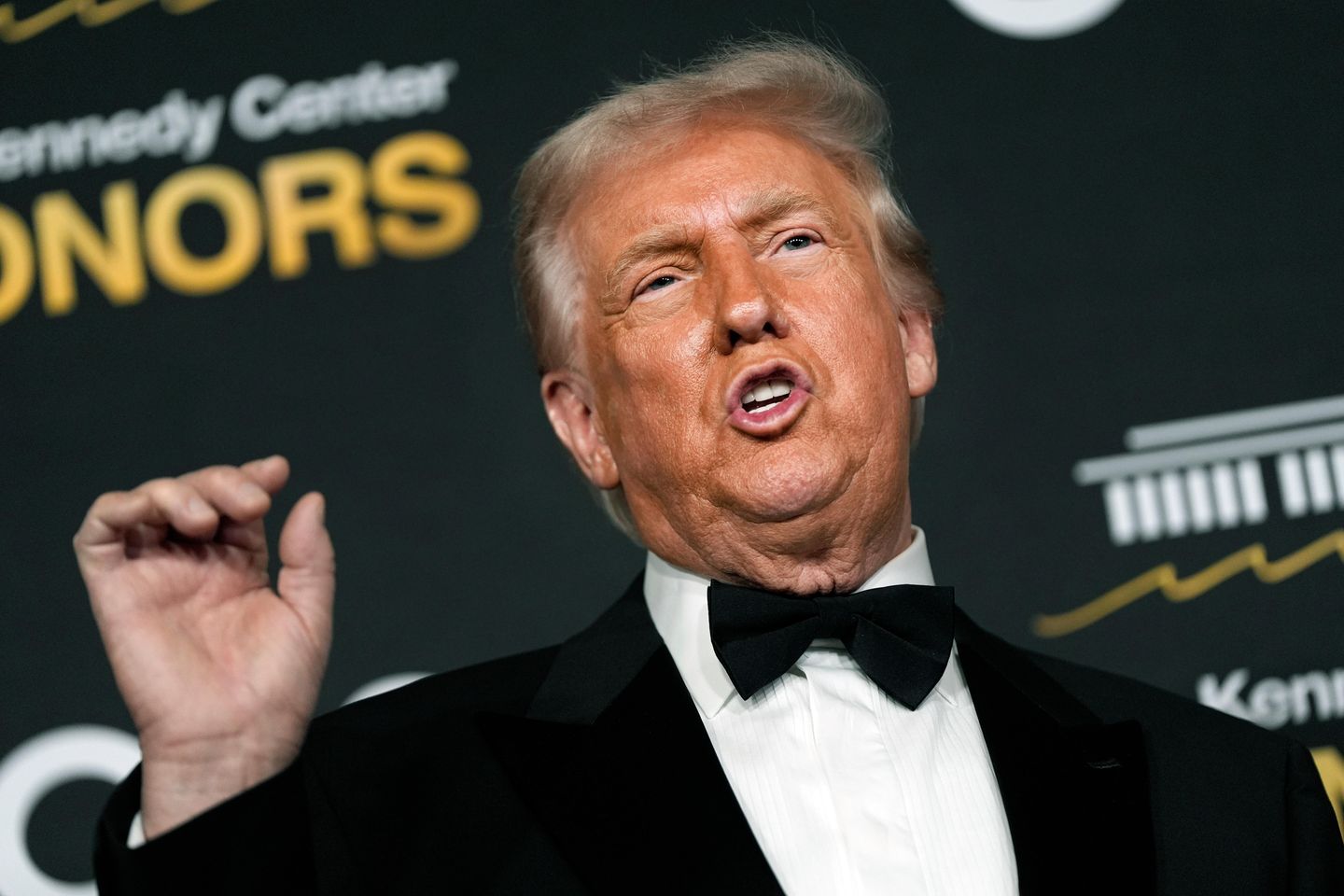
President Trump will unveil a long-awaited $12 billion bailout package Monday for farmers hurt by high prices and trade wars with China and other nations.
The package will include $11 billion in one-time payments to crop farmers under the Department of Agriculture’s newly designed Farmer Bridge Assistance program, according to a White House official.
The program helps row crop growers recover from years of trade actions by foreign governments, inflation pressures and other disruptions.
The remaining $1 billion will help farmers not covered by the bridge program, the White House said.
Mr. Trump will outline the plan during a White House roundtable event with corn, cotton, sorghum, soybean, rice, cattle, wheat and potato farmers.
“Farmers suffered for years under Joe Biden, who increased the United States’ trade deficit to over $1.2 trillion, raised input costs, pushed woke DEI agricultural policies, and more,” White House deputy press secretary Anna Kelly said. “In contrast, President Trump is helping our agriculture industry by negotiating new trade deals to open new export markets for our farmers and boosting the farm safety net for the first time in a decade.”
Mr. Trump and his team have hinted at a farmer bailout for months.
American growers are struggling because the cost of fertilizer and equipment rose during the Biden years and remained high this year, due in part to tariff costs under Mr. Trump.
Most notably, China stopped buying soybeans from U.S. growers, turning instead to South American sources.
The trade spat robbed U.S. soybean farmers of their top foreign buyer. However, China agreed to resume purchases as part of a recent trade truce.
Trump officials said they need to provide the special payments to help farmers plan for the future while they wait for the new purchases to take hold.
“The Chinese actually used our soybean farmers as pawns in the trade negotiations,” Treasury Secretary Scott Bessent told CBS’s “Face the Nation.” “And we are going to create this bridge because, again, agriculture is all about the future. You’ve got to start financing for planning next year when things will be very good.”