The administration rushed to the Supreme Court on Friday, asking the justices to set aside a lower appeals court ruling that gave anti-Trump litigants a new avenue to challenge the president’s personnel moves.
Usually, those disputes go to the Merit Systems Protection Board, an independent federal agency. But the 4th U.S. Circuit Court of Appeals said President Trump appears to have undermined the MSPB and the Office of Special Counsel, which also polices personnel matters.
The lower court said regular federal courts should then be able to step in and hear the cases instead of the MSPB.
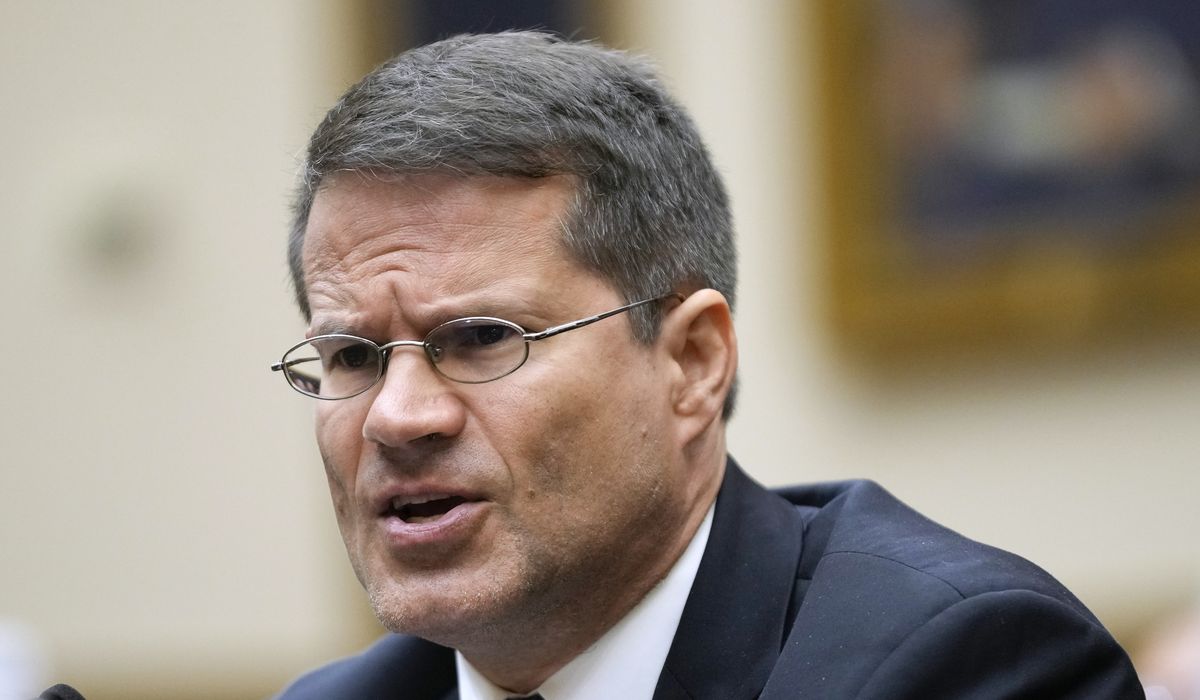
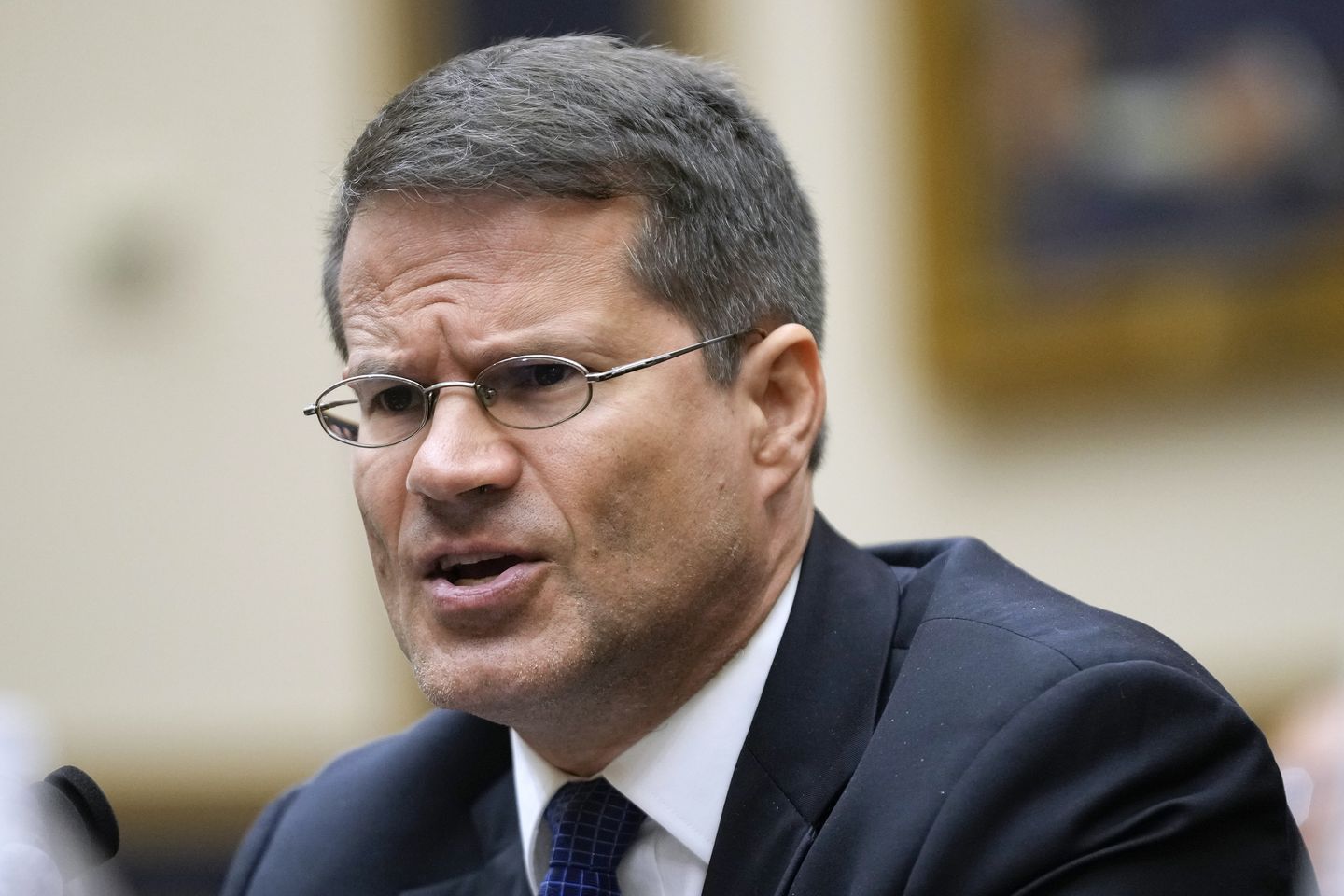
Solicitor General D. John Sauer told the justices that the decision creates a new loophole in the law. If it stands, plaintiffs will rush to file cases in the 4th Circuit’s area of jurisdiction, unsetting the way challenges are supposed to be fought out.
Mr. Sauer asked the justices to step in and erase the ruling before Wednesday, which is when the 4th Circuit is scheduled to issue its mandate in the case, making it a firm precedent for the five states the circuit covers.
“This court should stay the mandate with a view to summarily reversing the decision,” Mr. Sauer said in a brief filed Friday.
At issue is a gag policy imposed on immigration judges, who are not part of the regular federal courts set up under the Constitution’s Article III but rather are employees of the Justice Department. The department said they must get permission from the administration before speaking publicly about immigration issues.
The National Association of Immigration Judges challenged the policy in federal court.
A district judge ruled that it was a dispute about federal employment rules and that under the Civil Service Reform Act, it should first be heard by the MSPB.
The 4th Circuit reversed that ruling, saying that if the MSPB is not “functioning as Congress intended,” the regular courts can step in.
The appeals court ruled that Mr. Trump’s personnel moves at the MSPB may have left it unable to function properly.
The MSPB was without a quorum for five years from 2017 to 2022 and again for a few months this year.
Judge Nicole Berner, writing the opinion for the lower court, acknowledged it was raising something that hadn’t been part of the case before, but said it was justified in this case.
“We cannot allow our black robes to insulate us from taking notice of items in the public record, including, relevant here, circumstances that may have undermined the functioning of the CSRA’s adjudicatory scheme,” she wrote. “We therefore remand to the district court to assess the functionality of the CSRA’s adjudicatory scheme.”
Mr. Sauer said if allowed to stand, the case would create new avenues for court challenges to all manner of administration decisions that belong elsewhere, such as at the Federal Trade Commission or the Federal Mine Safety and Health Review Commission.
“If qualms about an agency’s ‘independence’ … permit ignoring Congress’s decision to channel claims to that agency, it could be open season on agency-review processes in the 4th Circuit,” Mr. Sauer wrote.
The 4th Circuit has emerged as a competitor for the most liberal federal appeals court in the country, which is a startling turnaround from the start of this century, when it vied for the most conservative.
Mr. Sauer pointed out that the Supreme Court just last month slapped down the 4th Circuit in another case involving court jurisdiction.
In that decision, the 4th Circuit raised on its own a habeas challenge that hadn’t been raised in the district court. The Supreme Court said that it violated the legal precept that judges rule on the issues the parties present in court.
Mr. Sauer said the 4th Circuit “outdid itself” in the immigration judges’ ruling by reviving and adopting an argument that judges waived in the lower court.
The solicitor general said the case is particularly tricky because the 4th Circuit sent the matter back to the lower court for another review under the new guidance on the functionality of the MSPB. If the lower court finds again for the government, that would leave the administration no avenue to appeal the circuit court’s “manifestly erroneous” broader decision on courts’ ability to intervene in areas where Congress told it to butt out.
Mr. Sauer said he’ll file a full appeal of the 4th Circuit decision by February, but said the justices need to act now to avoid being “overtaken by events.”