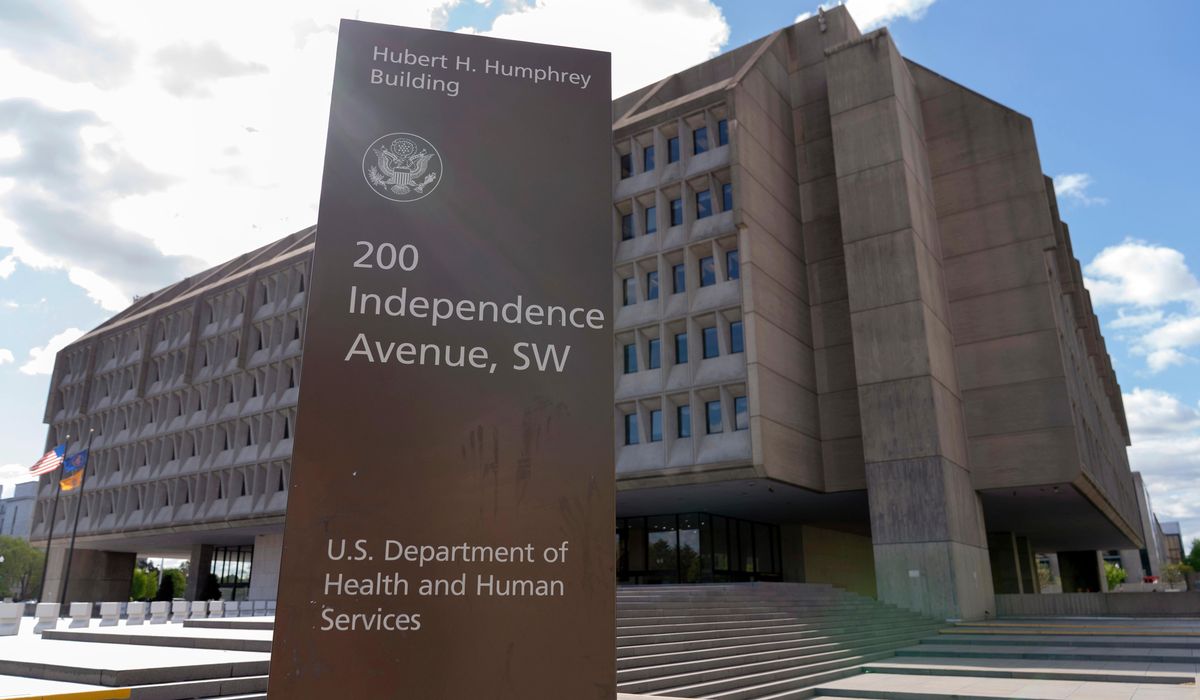
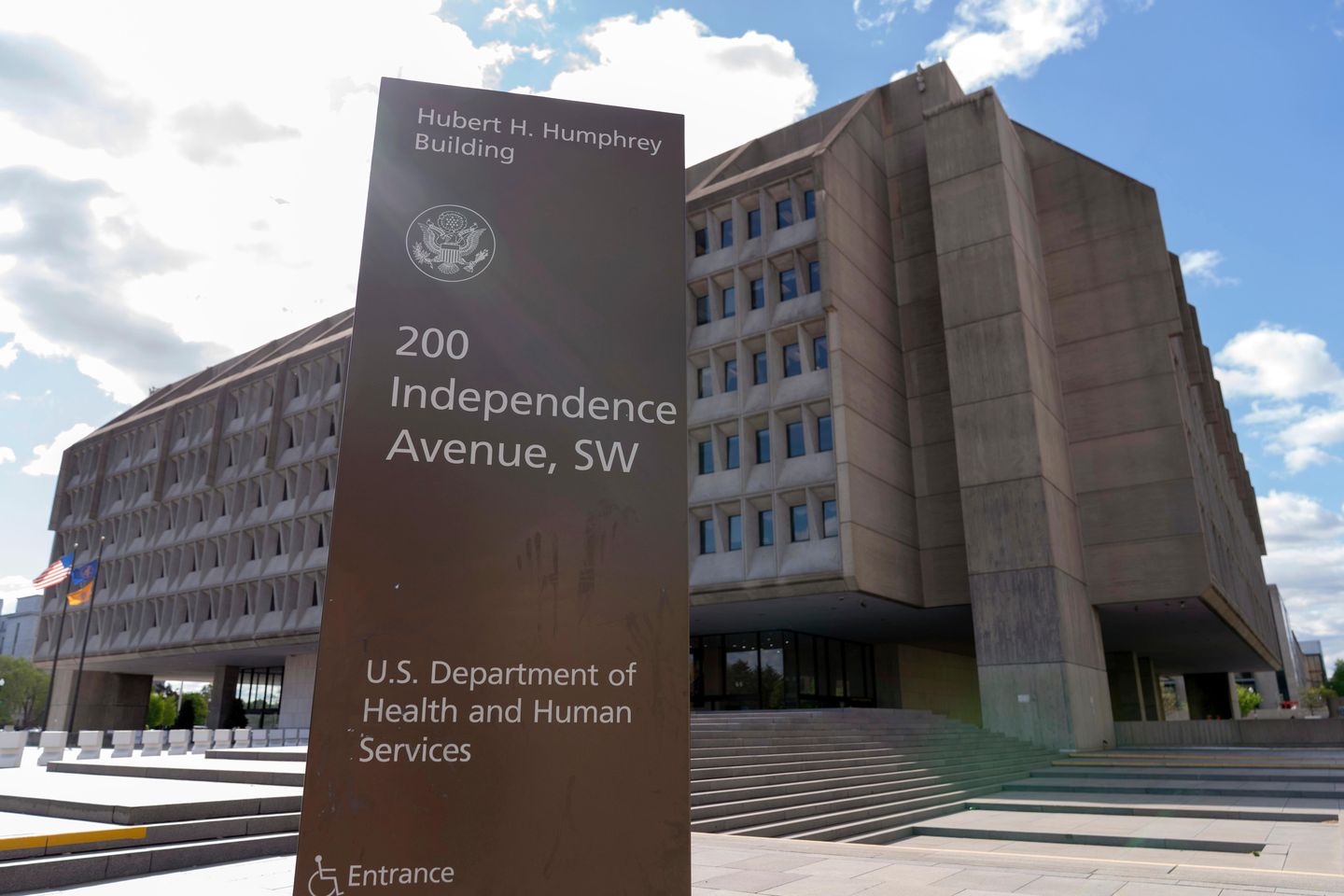
The Department of Health and Human Services is launching an AI strategy to make its employees more efficient, expanding the Trump administration’s endorsement of the technology as it downsizes the federal workforce.
The nation’s top health agency announced Thursday in a 20-page document that it will unite its divisions under a single artificial intelligence infrastructure.
Those divisions include the Centers for Disease Control and Prevention, the Centers for Medicare & Medicaid Services, the Food and Drug Administration and the National Institutes of Health.
This coordination implements recent White House directives and is a “first step” toward “streamlining workflows and enhancing cybersecurity,” HHS said in a press release.
“AI has the potential to revolutionize health care and human services, and HHS is leading that paradigm shift,” said HHS Deputy Secretary Jim O’Neill.
The document also hints at plans to collaborate with “private sector stakeholders” on using AI to analyze patient records and research drugs, but does not address related privacy concerns. It also does not specify its efficiency goals.
Layoffs under the Trump administration have aimed to cut the HHS workforce from 82,000 to 62,000 as part of a broader push to eliminate waste and inefficiency.
As legal challenges unfold, HHS has hired back hundreds of workers, and it remains unclear how the AI strategy will shape future layoffs.
HHS did not respond to an email seeking comment.
Over the past few years, Democrats have joined Republicans in a rare display of bipartisan support for embedding AI in schools and government workplaces.
In April, President Trump signed an executive order mandating AI instruction in K-12 education to build a technologically literate workforce. Six days later, California Gov. Gavin Newsom announced that state services would begin using AI.
In July, the Education Department issued new guidance for “the responsible integration of AI” in federal grants for K-12 schools and colleges, acting on the president’s order.
A few days later, the White House released an AI Action Plan that directed the Education and Labor departments to prioritize funding and opportunities for students to take AI classes and certification programs.
Workforce experts insist that the growing impact of AI on everything from retail shopping to the job market makes regulating it a necessity beyond partisan politics.
“This moment feels similar to the early automotive era, when Henry Ford changed how people moved, worked, and lived,” Angelica Gianchandani, a marketing instructor at New York University, said in an email. “Technology reshaped daily life, and people adapted long before policy caught up.”
The HHS strategy published Thursday includes five pillars that the department said may be “revisited and updated” as AI technology develops:
- Ensure governance and “risk management” to build public trust.
- Design infrastructure and platforms for user needs.
- Promote workforce development and reduce barriers to efficiency.
- Foster health research through “gold standard science.”
- Improve patient care and public health delivery systems.
In a statement, HHS acting Chief Artificial Intelligence Officer Clark Minor said the plan “is about harnessing AI to empower our workforce and drive innovation across the Department.”