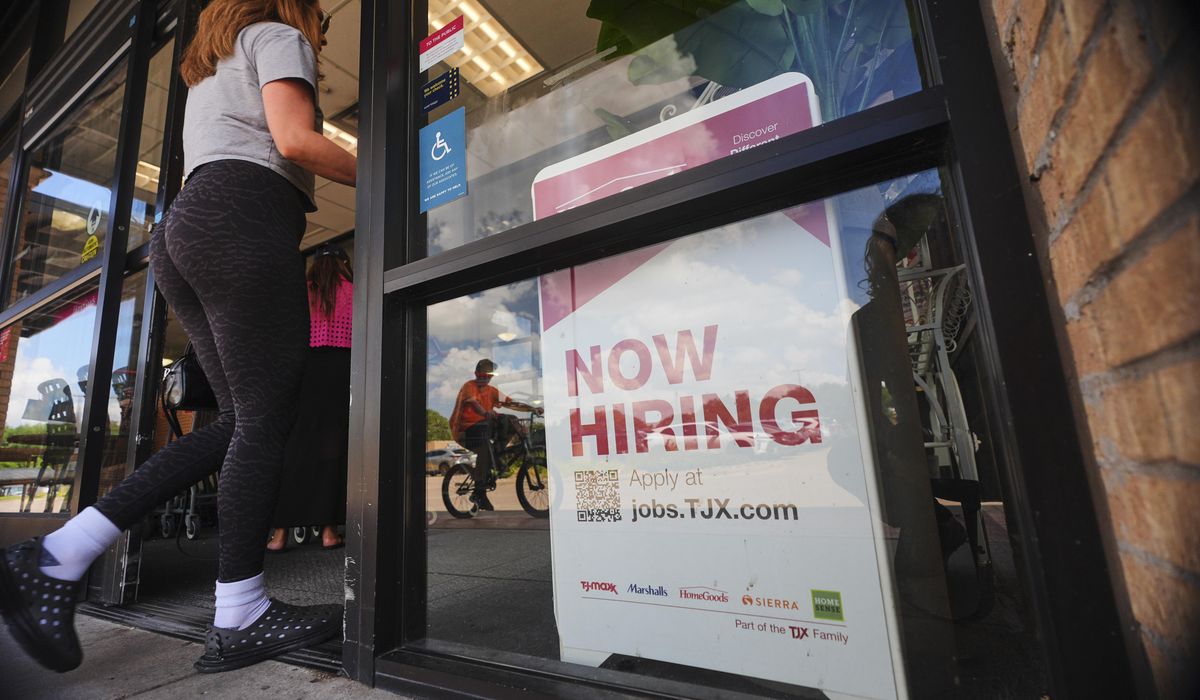
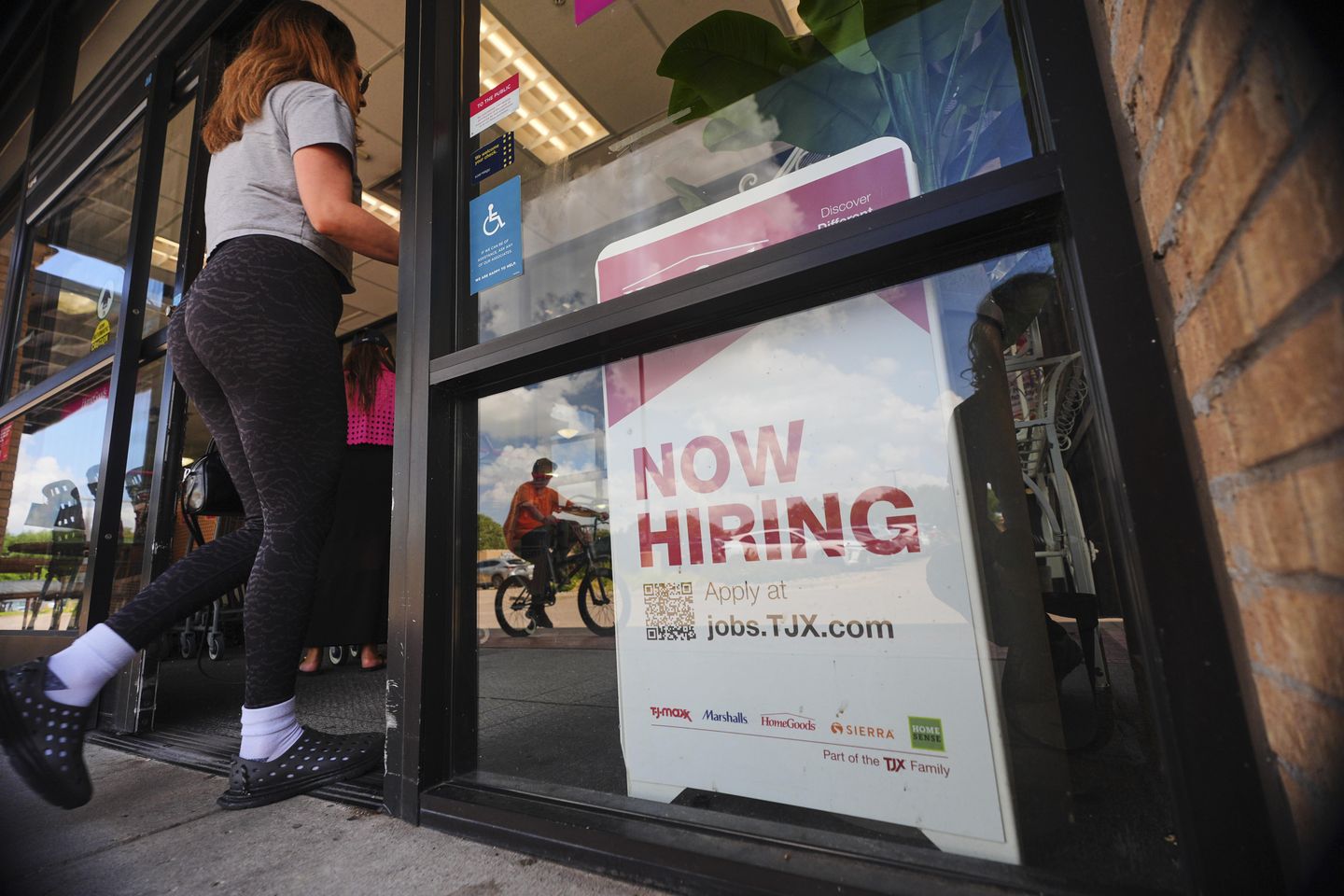
Private employers shed 32,000 jobs in November, driven by a sharp decline among small businesses, the payroll company ADP reported Wednesday.
The number fell short of estimates expecting an employment increase and was down from October, which saw a revised increase of 47,000 jobs.
Losses were most acute in the small-business space, at roughly 120,000, while large businesses gained around 90,000 positions, resulting in the net loss.
“Hiring has been choppy of late as employers weather cautious consumers and an uncertain macroeconomic environment,” said Nela Richardson, chief economist at ADP. “And while November’s slowdown was broad-based, it was led by a pullback among small businesses.”
Wall Street stocks tumbled into negative territory at opening on Wednesday after the worst-than-expected ADP report.
ADP regularly reports on jobs and is filling in the gap, to a degree, left by the lack of official data from the Bureau of Labor Statistics. The government shutdown made it difficult for the agency to collect official statistics.
The bureau will give some insight into the jobs picture on Dec. 16, when it releases its next report on nonfarm payrolls. The government numbers may differ from the ADP reports.
Still, the ADP release could exacerbate fears of a broad hiring slowdown and prod the Federal Reserve to slash interest rates at its December meeting.
Some Fed members want to take a wait-and-see approach instead of cutting again, fearing inflation from tariffs or other price pressures. Yet CME Fedwatch, a key tracker, put the probability of another cut at 88.8% on Wednesday.
The Trump administration is urging the Fed to cut rates to juice the economy. It also says its tax cuts and tariff policies will pay off in 2026.
However, some businesses are seeing headwinds or complaining of uncertainty or high input costs.
The manufacturing sector lost 18,000 jobs in November, according to ADP, even as the president tries to revive the sector.
Professional and business services experienced the biggest decline of any sector, down 26,000 jobs.
The education and health services sectors saw an increase of 33,000 jobs, while leisure and hospitality added 13,000 positions.
By region, the West and the Midwest added tens of thousands of jobs while the Northeast and the South saw losses.
Small and mid-sized businesses drove the jobs deficit for the month. Firms with one to 19 employees lost 46,000, while those with 20 to 49 employees saw the biggest hit, down 74,000.
Among mid-sized companies, those with 50 to 249 workers added 31,000 jobs, and those with 250 to 499 workers added 20,000.
Larger firms with 500-plus workers added 39,000 jobs.
“Larger companies are still hiring. Smaller firms (under 50 workers) are doing the layoffs,” Heather Long, chief economist at Navy Federal Credit Union, posted on X. “It’s been a very tough year for small biz due to tariffs and more selective spending from lower and middle-class consumers.”
Pay for persons remaining in their jobs was up 4.4% in November, year over year, although that is a decrease from the 4.5% reading in October.
People who changed jobs saw a 6.3% year-over-year increase, a slowdown from 6.7% in October.