Recently, the Department of Justice and the Drug Enforcement Administration moved marijuana products regulated by state medical marijuana licenses from Schedule I to Schedule III of the Controlled Substances Act. Public hearings, which are supposed to occur before such a move, will be held sometime in the future.
Schedule I drugs are those with no medical application and a high potential for abuse. Schedule II drugs have a medical application and a high potential for abuse. Schedule III drugs have a medical application and a moderate to low potential for abuse.
Based off existing federal policy, here are four glaring issues with the recent move to reclassify marijuana.
Marijuana Does Not Belong in Schedule III
The problem with skipping over Schedule II entirely and placing marijuana in Schedule III is that marijuana has already shown to have a high potential for abuse. Everyone who uses marijuana recreationally is abusing the drug. Millions of people in the U.S. use marijuana, and it is estimated that 3 in 10 have a cannabis use disorder.
According to the 2026 White House National Drug Control Strategy — which was released a mere 10 days after the rescheduling announcement — cannabis use disorder affects 20.6 million people over the age of 12. That is 7.1 percent of Americans.
In addition, marijuana use is the primary reason given for addiction treatment for those under the age of 20. Based off of this data alone, marijuana does not belong in Schedule III.
Marijuana Is Not Regulated Like Other Schedule III Drugs
Schedule III drugs are required to be dispensed by a prescription from a licensed provider, which includes dose potency and frequency of use. Prescription drugs must be approved by the Food and Drug Administration.
Drug manufacturers and distributors must also register with the DEA and comply with all regulatory requirements for safe handling. Waving a magic DOJ wand and giving carte blanche Schedule III status to state-level medical marijuana licensed products means that dispensary items such as extremely high-THC concentrates and cannabis flower strains with names such as Dark Jungle, Cannalope Haze, and Purple TrainWreck are now legitimized as medicine.
Not only does this violate federal guidelines on many levels, it also leaves the decision to reschedule wide-open for future litigation by other drug manufacturers.
Rescheduling Was Not Required for Research
The public-facing reason for rescheduling was to allow for better research of cannabidiol and marijuana for medicinal purposes. However, CBD has been abundantly available since the 2018 federal Farm Bill legalized hemp production.
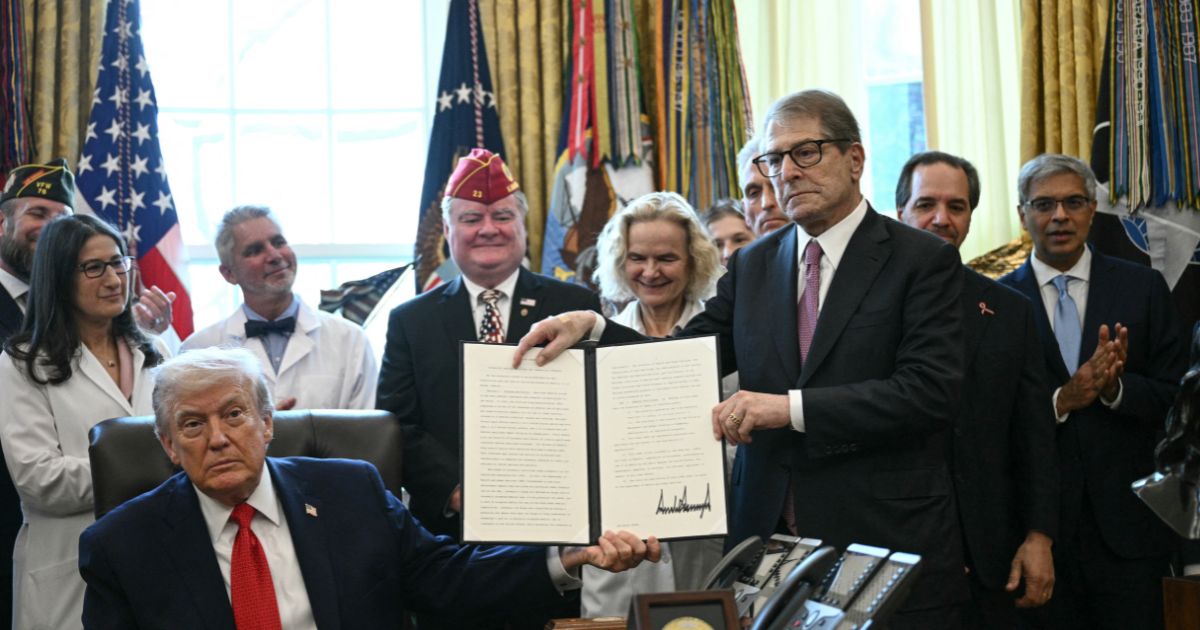
In addition, the recent White House executive order to federally fund and radically expand the use of Ibogaine — a Schedule I hallucinogenic — for the treatment of mental illness illustrates how rescheduling a drug is not required for more research. It also illustrates how the “hurry up now” rescheduling approach is going off the rails.
The Money Is the Real Issue
Reclassifying marijuana to Schedule III was not needed for research purposes, and it could have been moved to Schedule II to use it as medicine, so why the push for Schedule III? The answer is the money.
Having this drug in Schedule III means that the addiction-for-profit marijuana industry, which has already wreaked havoc on American families and blighted communities, will now qualify for an estimated $2 billion in annual federal tax breaks. This will not only propel the marijuana industry into a whole new era of growth and investment, but also worsen the addiction crisis already plaguing our nation.
If the current administration is serious about preventing the American people from getting steamrolled by the corporate addiction machine that has preyed upon us many times, it should advocate for the passage of the No Deductions for Marijuana Businesses Act, HR1447.
Failure to support this legislation will become the public health versus corporatism litmus test for every elected federal leader.
Everyone must contact their federal representative and advocate for the passage of HR 1447. We should also advocate that marijuana be governed like every other Schedule III drug.
The federal push for marijuana reclassification has taught us that marijuana means money, and money does not care about public health.
The Controlled Substances Act is not intended to be a political lever which can be activated by lobbyist pressure from industry donors. The fact that the DOJ and DEA went along with it represents a new era of incoherent federal policy whiplash. It also represents one more way in which American families are getting left behind in Washington, D.C.’s political wake.
Susan Homola and Raymond Wiggins, MD, are the co-authors of the book “The Blunt Truth: Ten Things Every Parent Needs to Know About Marijuana.”
Susan Homola is the New Hampshire State Chairman for Smart Approaches to Marijuana, and a former New Hampshire State Representative. (suehomola.com).
Raymond Wiggins, MD, is a licensed physician and the author of the #1 bestselling book series, “Weeding Out the Myths About Marijuana.” (drwiggins.com)
The views expressed in this opinion article are those of their author and are not necessarily either shared or endorsed by the owners of this website. If you are interested in contributing an Op-Ed to The Western Journal, you can learn about our submission guidelines and process here.
Advertise with The Western Journal and reach millions of highly engaged readers, while supporting our work. Advertise Today.