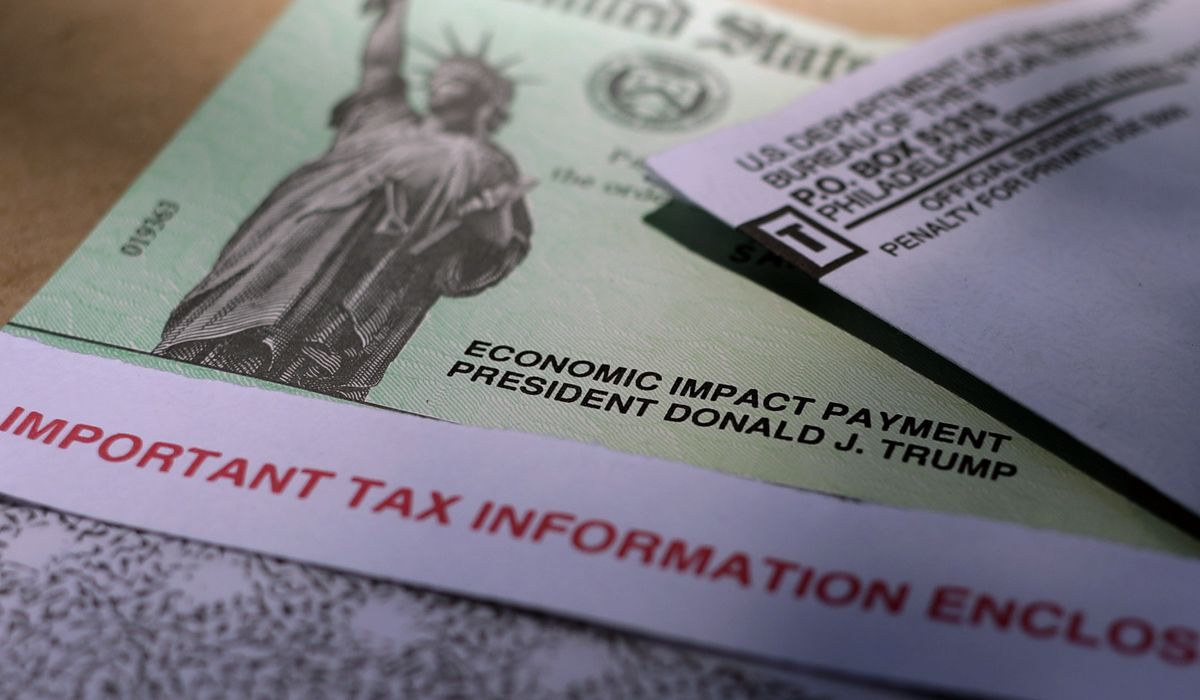
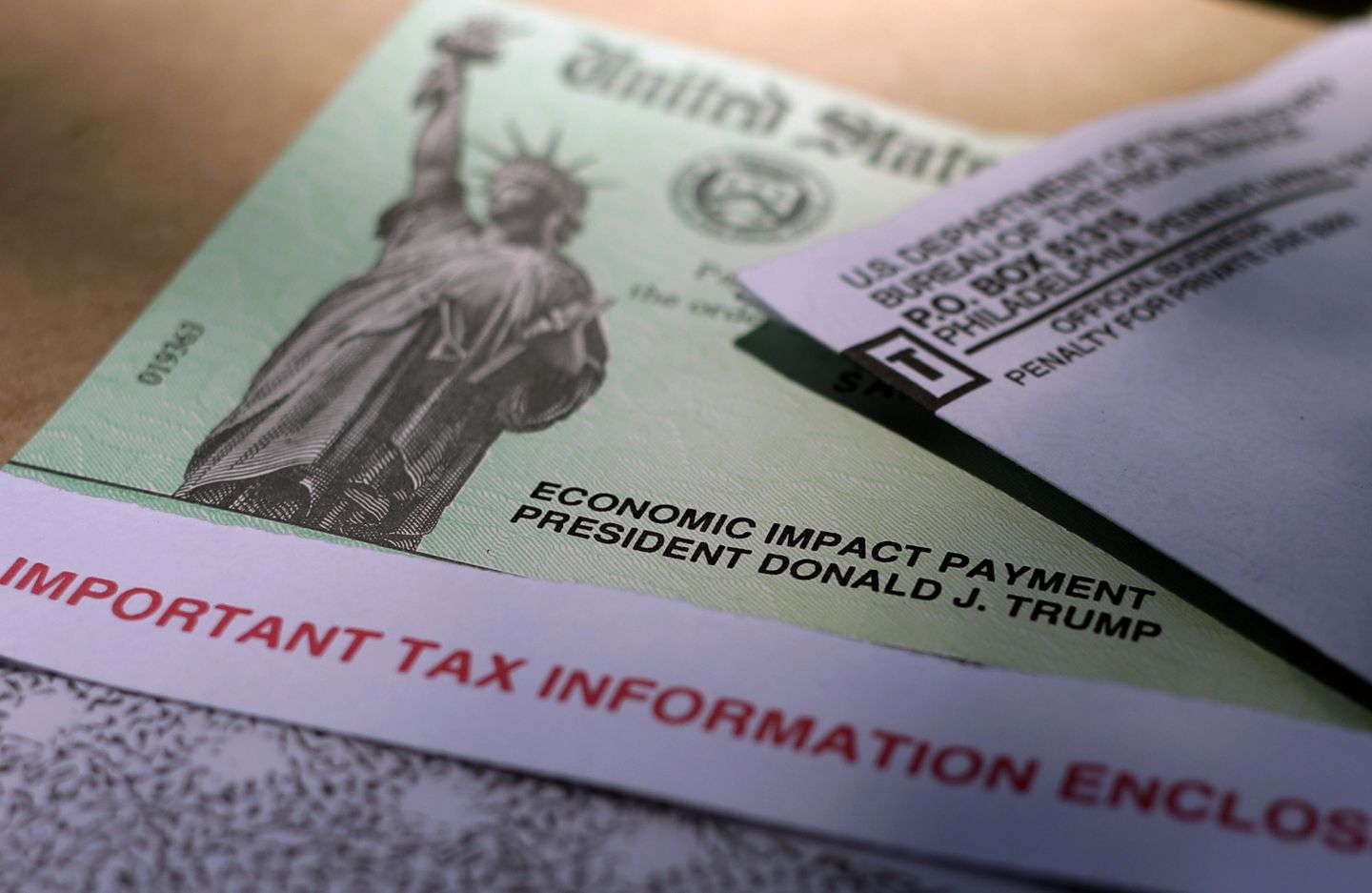
Tens of millions of Americans may be owed a refund from the IRS stemming from the COVID-19 pandemic era — but they must act before a fast-approaching deadline, the nation’s independent tax watchdog is warning.
The National Taxpayer Advocate is urging eligible taxpayers to file a protective claim by July 10, 2026, or risk forfeiting their right to a potential refund of penalties and interest the IRS may have improperly assessed during the pandemic.
“Many taxpayers affected by this issue have low and moderate incomes,” the NTA said in a blog post. “These taxpayers are less likely to have professional representation and to learn about complex legal developments like this one. As a result, they face a greater risk of missing the opportunity to claim refunds to which they may be entitled.”
The court ruling behind the refunds
The potential windfall stems from a late 2025 decision by the U.S. Court of Federal Claims in Kwong v. United States, which interpreted a tax provision holding that once a federally declared disaster is in effect, tax code Section 7508A(d) mandates postponement of applicable deadlines for the disaster period plus 60 days.
The court ruled that the federal COVID-19 disaster declaration — in effect from Jan. 20, 2020, through May 11, 2023 — fell under that provision. Under the court’s reasoning, any deadlines falling between Jan. 20, 2020, and July 10, 2023, were postponed to July 10, 2023.
Without taxes legally due during that window, the IRS likely also had no right to levy penalties and interest, tax lawyers said. That means taxpayers who were charged fees during that period may be owed money back.
The IRS disputes the ruling, and the NTA anticipates the Department of Justice will appeal. Until the matter is resolved, however, most taxpayers must file a claim to preserve their right to a refund if the decision is ultimately upheld.
“For taxpayers dealing with financial pressures, these amounts can make a real difference,” the NTA said. “But most taxpayers must act by July 10, 2026, to request their potential refunds.”
Who is eligible?
The group of potentially affected taxpayers is broad.
“Impacted taxpayers represent a broad cross-section of the public, including individuals, small businesses, large corporations, estates, and trusts,” the NTA said. “The issue reaches taxpayers with obligations related to income, employment, estate, gift, and excise taxes. It may also affect taxpayers who filed late international information returns, which can result in significant penalties even when no tax is due.”
Specifically, the NTA said taxpayers may be owed refunds for penalties assessed for failure to timely file returns or pay taxes, interest that began accruing earlier than it should have, or not at all, and overpayment interest related to the 2020–2023 disaster period.
How to find out if you’re owed money
Taxpayers should check their tax records to see whether the IRS levied any penalties or interest during the filing pause, said Jon Wasser, a partner at Fox Rothschild who specializes in tax matters. They can do so either through a tax professional or by pulling their IRS tax account transcript, which shows filing status, taxable income, payments, penalties and interest along with the dates each was assessed.
Transcripts are available online through the IRS’ Individual Online Account or by mail. Americans can request one by mail at the IRS website or by calling the automated transcript service at 800-908-9946; delivery typically takes five to 10 calendar days.
How to file a claim
Tax professionals can file on a taxpayer’s behalf, or individuals can submit a claim themselves using IRS Form 843, the Claim for Refund and Request for Abatement, drawing on information from their tax transcript.
Filers should specify on the form that the claim is a protective one based on the Kwong v. United States decision and Section 7508A(d) of the tax code as it relates to the COVID-19 disaster period.
“You’re basically telling the IRS, ’here’s a refund claim, put it on hold for now,’” Mr. Wasser said, until the case reaches a final determination.
The NTA noted that claims can currently only be filed by paper — a process it criticized as “slower, less accessible, and more difficult to track.” Because the IRS does not immediately confirm receipt, taxpayers are advised to send claims by certified mail to establish proof of timely submission.
The NTA called on the IRS to develop an electronic filing option immediately and said it was requesting a six-month extension for taxpayers to submit refund claims. It also urged the agency to consider providing systemic relief to all eligible taxpayers, potentially eliminating the need to file claims individually.
This article was constructed with the assistance of artificial intelligence and published by a member of The Washington Times’ AI News Desk team. The contents of this report are based solely on The Washington Times’ original reporting, wire services, and/or other sources cited within the report. For more information, please read our AI policy or contact Steve Fink, Director of Artificial Intelligence, at sfink@washingtontimes.com
The Washington Times AI Ethics Newsroom Committee can be reached at aispotlight@washingtontimes.com.