A federal grand jury in San Juan has indicted a Puerto Rico biomedical waste company and two of its principals on criminal charges alleging years of illegal emissions from a commercial incinerator, prosecutors said.
Ramon Plaza-Gregory, Ileana Cortes-Gonzalez, and Mo-Na-Co Biomedical & Environmental Corp. (Monaco) each face five counts of violating the Clean Air Act as well as a conspiracy charge, according to the indictment returned in the U.S. District Court for the District of Puerto Rico.
Monaco operates a commercial incinerator in Aguadilla, Puerto Rico, that was permitted to burn pathological waste under strict limits on both the types of materials incinerated and the volume of emissions released, prosecutors said. Beginning in August 2021, Plaza-Gregory and Cortes-Gonzalez allegedly began burning unpermitted materials, using malfunctioning equipment, and exceeding emissions thresholds set by their permit.
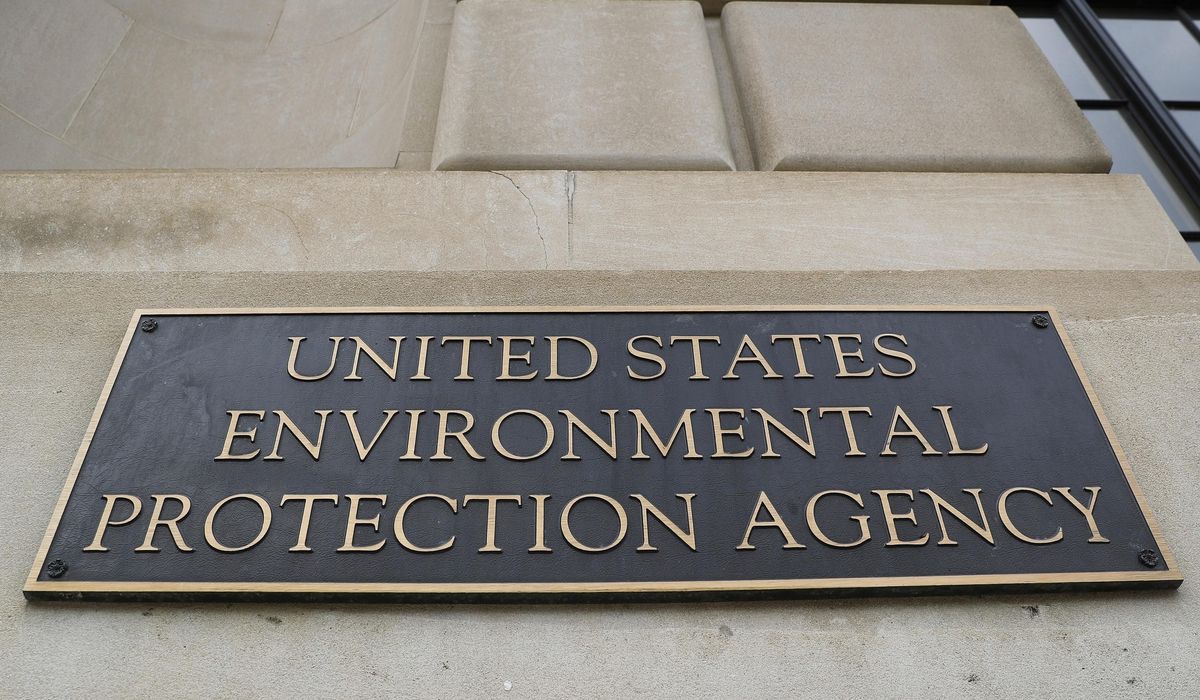
After an Environmental Protection Agency inspector notified the defendants of the violations, Plaza-Gregory began operating the incinerator on weekends and holidays, conduct that authorities later described as intentional evasion of Clean Air Act requirements. Emissions violations were documented again in July 2024, prosecutors said.
Monaco’s emissions permit expired in September 2024 and was not renewed, yet the defendants allegedly continued operating the incinerator on weekends through at least April 2026, according to court documents.
EPA Assistant Administrator for Enforcement and Compliance Assurance Jeffrey A. Hall said the company president deliberately concealed the violations by failing to record what materials were being burned, not maintaining a functioning temperature gauge, and operating on weekends and holidays. “There is no telling what harmful pollution was emitted from improper and incomplete incineration,” Hall said.
The Justice Department’s Environment and Natural Resources Division, which is co-prosecuting the case alongside the U.S. Attorney’s Office for the District of Puerto Rico, emphasized the public health stakes of the alleged conduct. Principal Deputy Assistant Attorney General Adam Gustafson said the Clean Air Act “is a foundational piece of American environmental law” and that commonsense enforcement would help protect communities.
U.S. Attorney W. Stephen Muldrow for the District of Puerto Rico said his office remains committed to protecting residents from environmental and health hazards and ensuring a safe environment.
FBI Special Agent in Charge Carlos R. Goris of the San Juan Field Office said environmental crimes “impact the health, safety, and quality of life of our communities.”
If convicted, Plaza-Gregory and Cortes-Gonzalez each face up to five years in prison and $250,000 in fines per charge. Monaco faces fines of up to $500,000 per charge, prosecutors said.
The case was investigated by the EPA’s Criminal Investigation Division and the FBI’s Aguadilla Resident Agency, which participate in the Puerto Rico and U.S. Virgin Islands Environmental Crimes Task Force.
An indictment is merely an allegation. All defendants are presumed innocent until proven guilty beyond a reasonable doubt.
This article was constructed with the assistance of artificial intelligence and published by a member of The Washington Times’ AI News Desk team. The contents of this report are based solely on The Washington Times’ original reporting, wire services, and/or other sources cited within the report. For more information, please read our AI policy or contact Steve Fink, Director of Artificial Intelligence, at sfink@washingtontimes.com
The Washington Times AI Ethics Newsroom Committee can be reached at aispotlight@washingtontimes.com.