The Navy’s new autonomous flying fuel tanker completed its maiden flight this week, executing a series of maneuvers and tests for two hours in what officials said was a key step for unmanned carrier operations.
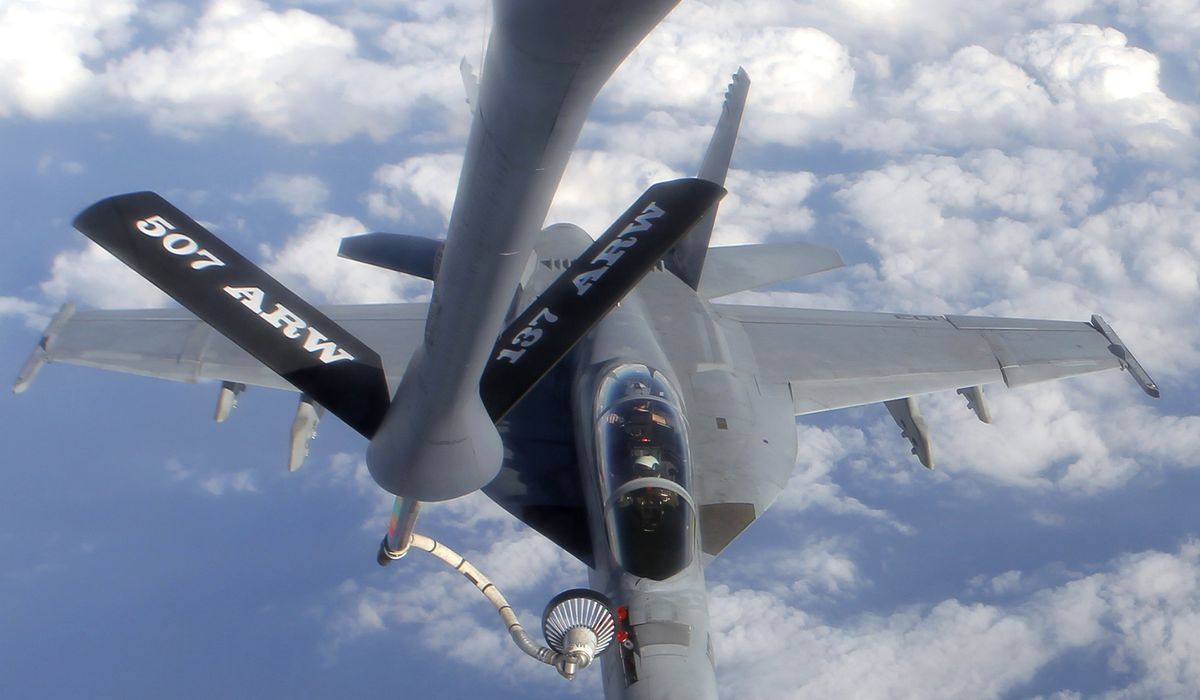
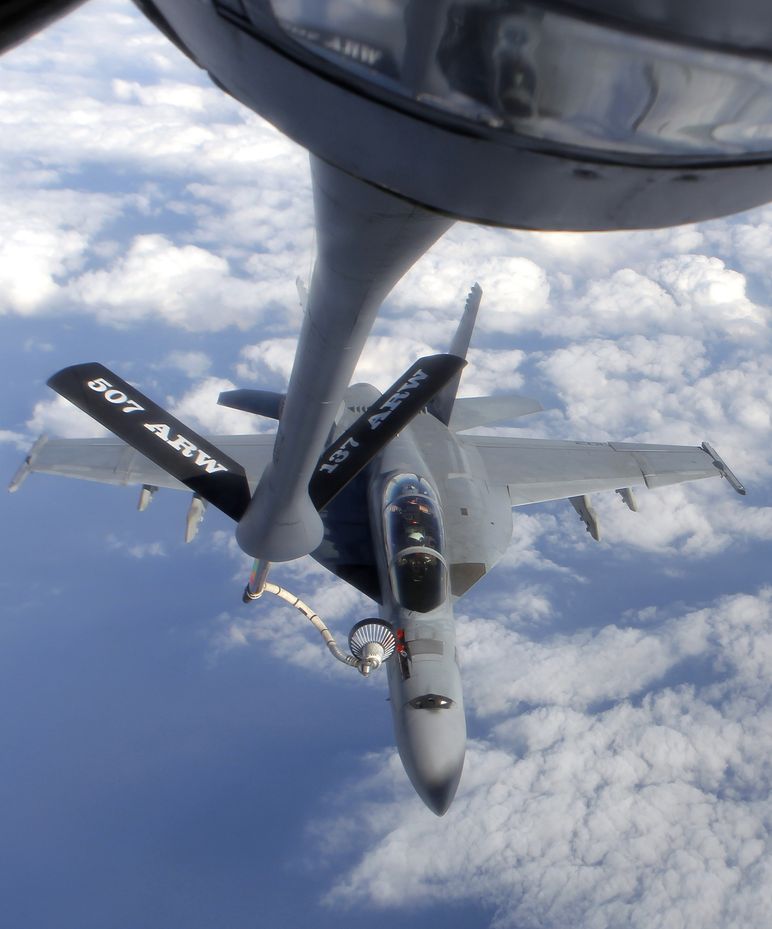
The MQ-25A Stingray is the Navy’s first operational, carrier-based unmanned aircraft system, designed primarily to serve as an aerial refueling tanker.
By taking over the refueling mission from crewed jet fighters like the Boeing F/A-18E/F Super Hornet, the Stingray will significantly extend the combat range and strike capability of a Carrier Air Wing, officials said.
“The MQ-25A is not just an aircraft. It’s the first step in integrating unmanned aerial refueling onto the carrier deck, directly enabling our manned fighters to fly further and faster. This capability is vital to the future of naval aviation,” said Rear Adm. Tony Rossi, who oversees the Navy’s executive office for unmanned aviation
Navy and Boeing pilots controlled the mission by sending commands to the aircraft and monitoring its performance from a ground control station [GCS] at MidAmerica St. Louis Airport, about 25 miles east of St. Louis. Once airborne, the Stingray executed a pre-determined mission plan that validated its flight controls, navigation, and safe integration with the GCS, officials said.
“The MQ-25A is the most complex autonomous system ever developed for the carrier environment,” said Dan Gillian, vice president and general manager of Boeing Air Dominance. “This historic achievement advances us closer to safely integrating the Stingray into the carrier air wing.”
Boeing and the Navy will conduct additional test flights out of MidAmerica St. Louis Airport to validate flight controls and capabilities before the Stingray is sent to Naval Air Station Patuxent River, Maryland, to prepare for carrier qualifications, officials said.