
Federal agencies made an estimated $186 billion in improper payments in the 2025 fiscal year, according to a new government report.
The billions of dollars cited excluded several programs that are susceptible to significant levels of improper payments, so the actual amount of wasted taxpayer money is likely much higher.
Most improper payments — approximately 82% — resulted from overpayments, according to the report by the Government Accountability Office.
Payments that should not have been made or were made in the incorrect amount surpass the previous year’s total by $24 billion.
The erroneous payments came from 15 agencies across 64 programs. About 73% of the estimated improper payments were concentrated in five programs:
• Health and Human Services’ Medicare and Medicaid.
• The Department of the Treasury’s Earned Income Tax Credit.
• The Department of Agriculture’s Supplemental Nutrition Assistance Program or SNAP.
• The Small Business Administration’s Shuttered Venue Operators Grant.
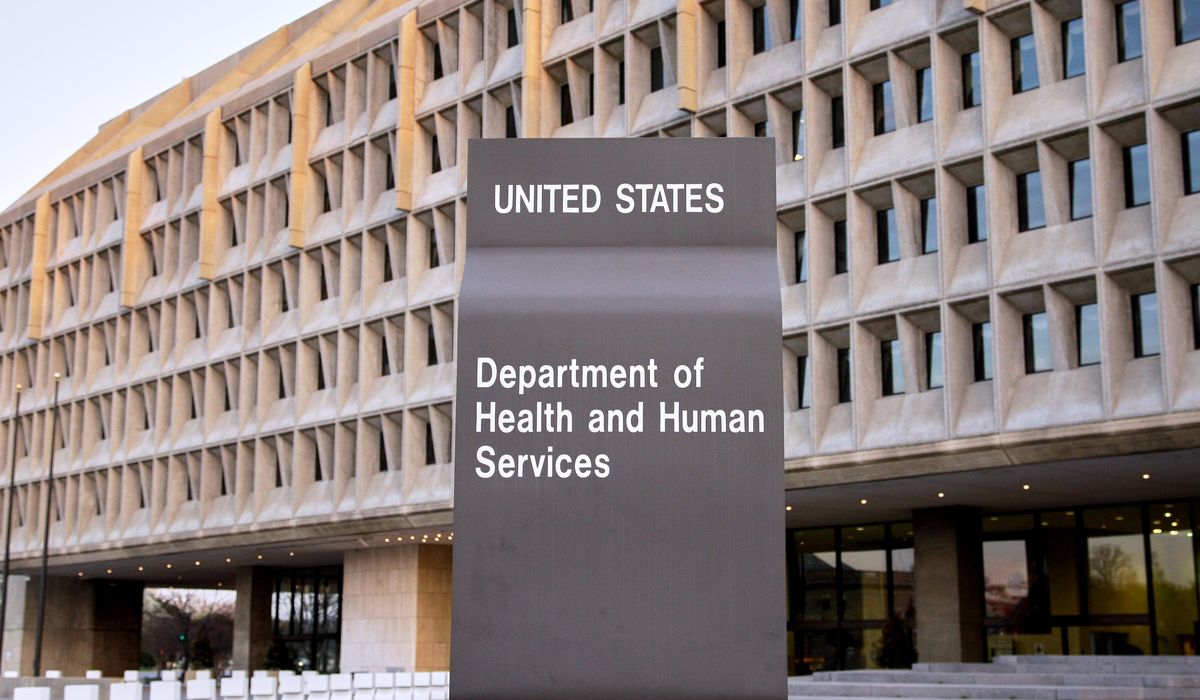
Medicare and Medicaid reported the most mistaken payouts of any program, with a combined total of $94 billion. The rise in Medicaid improper payments was due to increased errors in eligibility redeterminations and provider screening while phasing out COVID-era flexibilities, according to the report.
Additionally, 19 programs reported improper payment rate estimates of at least 10%, including six programs that exceeded 25%.
And yet, the $186 billion estimate does not represent the full extent of government-wide improper payments. Agencies did not estimate bad payouts from programs that are likely major culprits, such as HHS’s Temporary Assistance for Needy Families, which spent approximately $16.5 billion in the 2025 fiscal year.
Since the 2003 fiscal year, improper payments have grown to $3 trillion, according to GAO.
Not only is the federal government unable to determine the total magnitude of its improper payments, but it also cannot “reasonably assure that it takes appropriate actions to reduce them,” the report said.
The GAO has made numerous recommendations to Congress and agencies to help reduce improper payments, including 10 suggestions for congressional consideration, nine of which remain open. The recommendations include designating all new federal programs making more than $100 million in payments in a fiscal year as susceptible to improper payments and establishing a permanent data analytics center to aid in identifying improper payments and fraud.