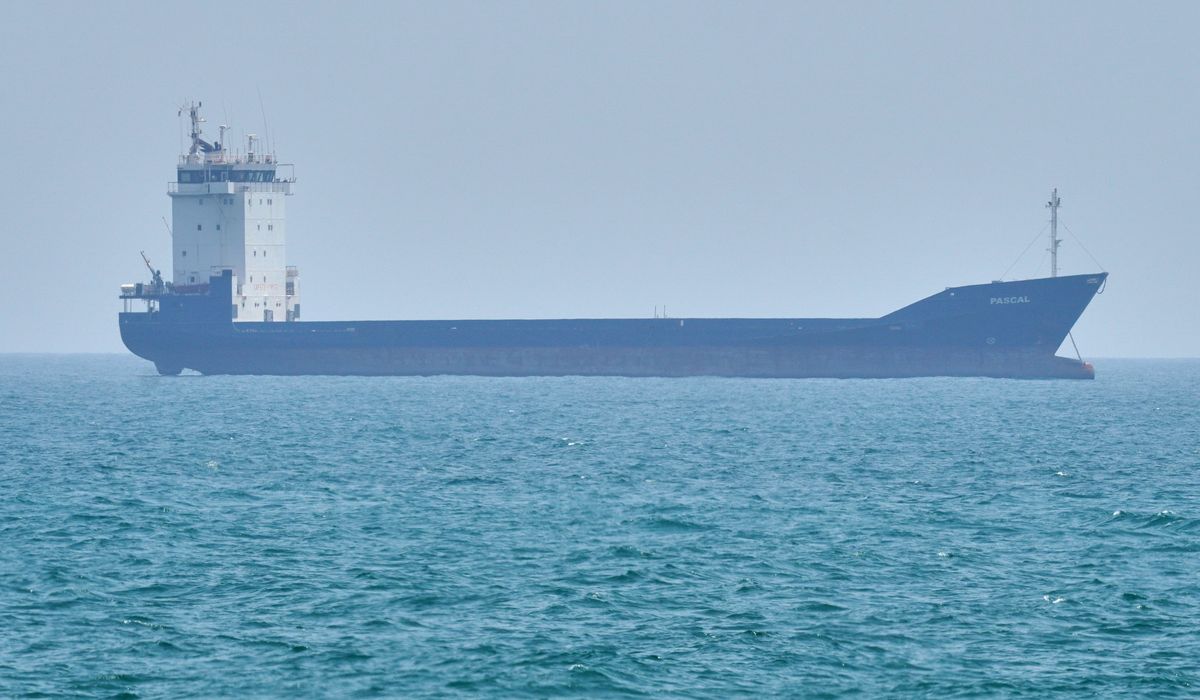
Iranian lawmakers said Thursday the Islamic republic has begun collecting fees from commercial ships traveling through the Strait of Hormuz, even as traffic through the crucial waterway grinds to a halt.
Iranian lawmaker Abbas Papizadeh confirmed in remarks before parliament that authorities are collecting tolls from ships passing through the strait and that the funds will be transferred into “state coffers.”
He said the amount charged for the ships depends on the vessel’s size, the cargo and its volume.
Mr. Papizadeh said that, due to security concerns, commercial traffic in the strait’s typical shipping routes has dropped dramatically, making it necessary for ships to travel closer to Iranian waters.
Hamidreza Haji Babaei, Iran’s deputy parliament speaker, confirmed separately on Thursday that funds from the tolls had been “deposited into the central bank account.”
The comments follow the Iranian parliament’s passage of a law late last month to codify a toll system for the Strait of Hormuz. However, Tehran had been imposing fees on ships not linked to the U.S. or Israel during the war, though no country or importer has publicly acknowledged paying.
SEE ALSO: U.S. military says it seized another oil tanker associated with Iran
Some ships have paid Iran as much as $2 million for safe passage through the strait, but the mechanism by which the ships paid the fee and the currency used is not clear.
Some reports found that the Islamic Revolutionary Guard Corps, which has established effective control over the strait, has accepted payments in cryptocurrency and Chinese yuan.
The international community has mostly rejected a permanent fee structure in the Strait of Hormuz. Secretary of State Marco Rubio said last month during a Group of Seven meeting that the U.S. would not accept a post-war scenario in which Iran can make money off the strait.