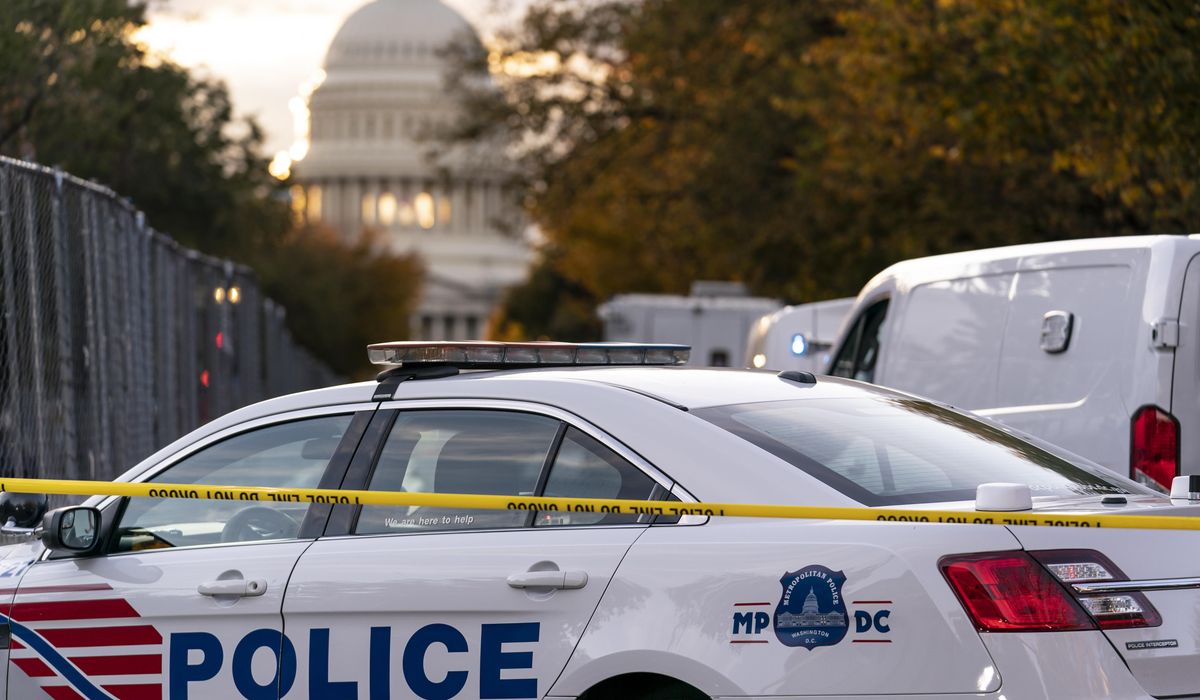
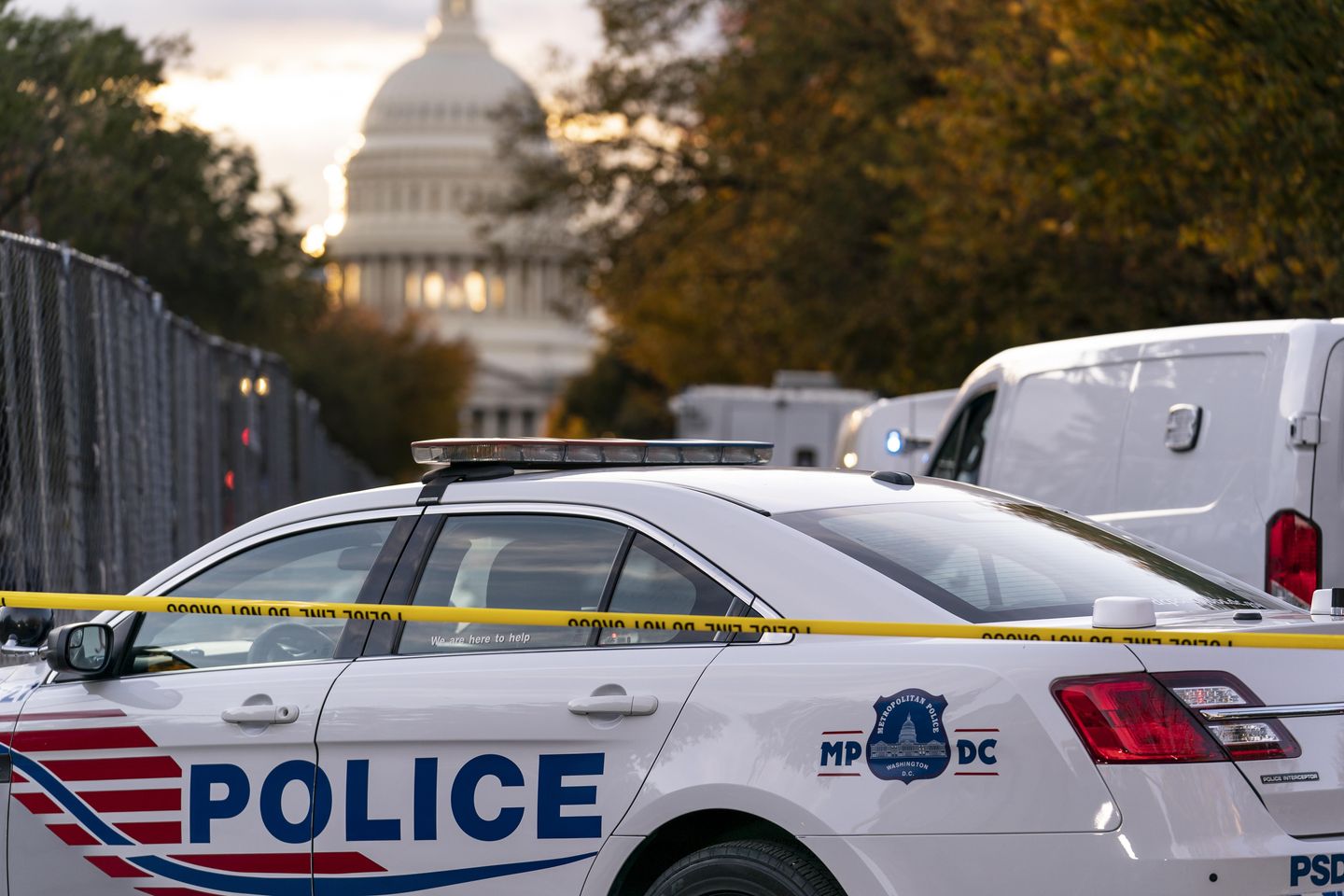
The Supreme Court backed a Metropolitan Police Department officer Monday in a case that goes to the heart of when a police officer has enough reason to detain a suspect.
The justices said in an unsigned opinion the officer was justified in stopping and arresting a juvenile he spotted after he was called out for a report of a suspicious vehicle.
When the officer showed up, the boy’s friends ran from the car while the boy began backing up his vehicle with the back door still open.
All of that was suspicious enough to give the officer a reason to investigate, the justices said, overturning the D.C. Court of Appeals, which had ruled against the officer.
The justices said the lower court had sliced and diced the facts, ignoring the friends’ quick flight from the car and the initial call-out for a suspicious vehicle.
“Based on everything the officer observed on the night in question, he drew the ‘commonsense inference’ that all three people in the car — including the driver — were trying to hide wrongdoing from the police,” the court ruled.
The justices said it may be tough for judges to “slosh” through the facts of each case, but they must do that as they make judgments.
Justice Sonia Sotomayor, an Obama appointee, said she would have refused to hear the case.
And Justice Ketanji Brown, a Biden appointee, dissented from Monday’s decision, saying she thought the District’s appeals court got it right.
She said the lower judges did appear to engage with the facts properly and just came to a different conclusion.
“Even if I would have assigned more heft to a particular fact in my own first-instance assessment, I would not word-smith a lower court in this fashion,” Justice Brown wrote.
The case involved Officer Clifford Vanterpool, who was called out at 2 a.m. for the report of a suspicious vehicle. When he arrived, he saw two people flee from a car, then the driver, a juvenile identified in court as RW, start to back up.
Officer Vanterpool used his vehicle to block the car, drew his gun and ordered RW to put his hands up.
“On the facts of this case, Officer Vanterpool clearly had reasonable suspicion to stop R.W. Already on alert from the late-night dispatch call about a suspicious vehicle, the officer observed every person in R.W.’s car respond strangely to an approaching police car,” the court’s majority said.