The International Energy Agency said Wednesday that member countries will release 400 million barrels of oil to alleviate price pressures from the war in Iran.
The IEA’s executive director, Fatih Birol, said shipments through the Strait of Hormuz, a vital artery near Iran, have “all but stopped” and Middle East oil refineries have been caught in the crossfire of the conflict.
“IEA countries have unanimously decided to launch the largest-ever release of emergency oil stocks in our agency’s history,” Mr. Birol said.
Oil prices have been on a roller-coaster ride since President Trump and Israel launched the military operation against Iran on Feb. 28.
Tehran retaliated by striking oil-rich Gulf states and clamping down on Hormuz, which handles 20% of the world’s oil shipments.
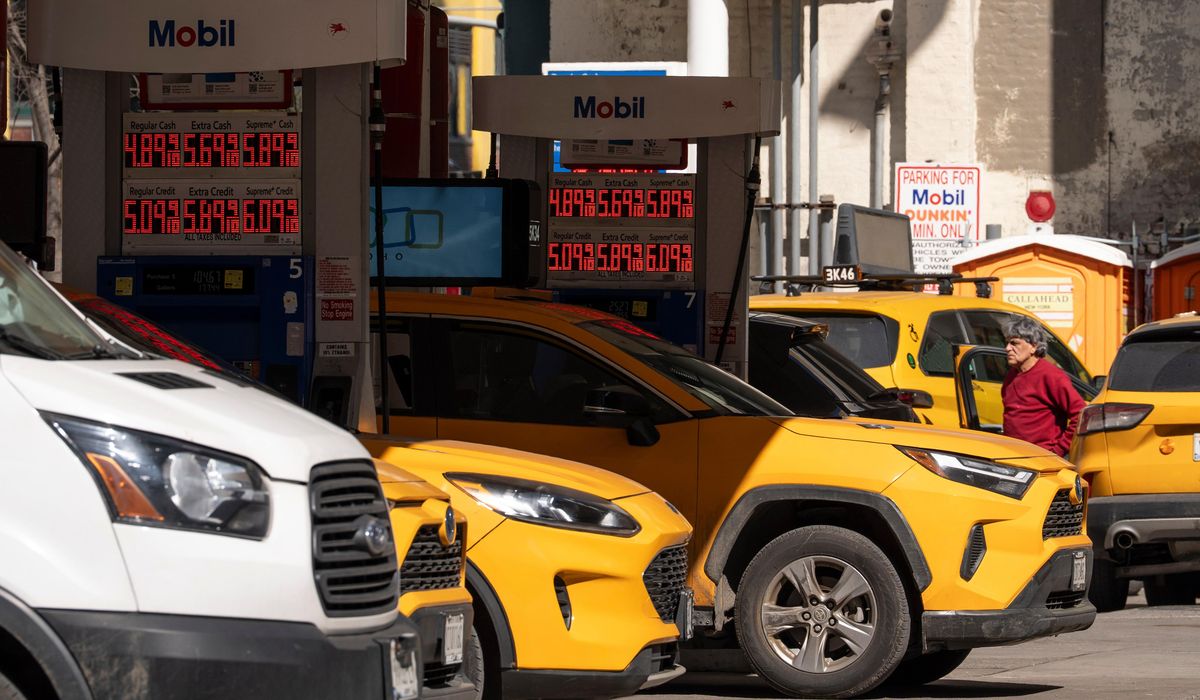
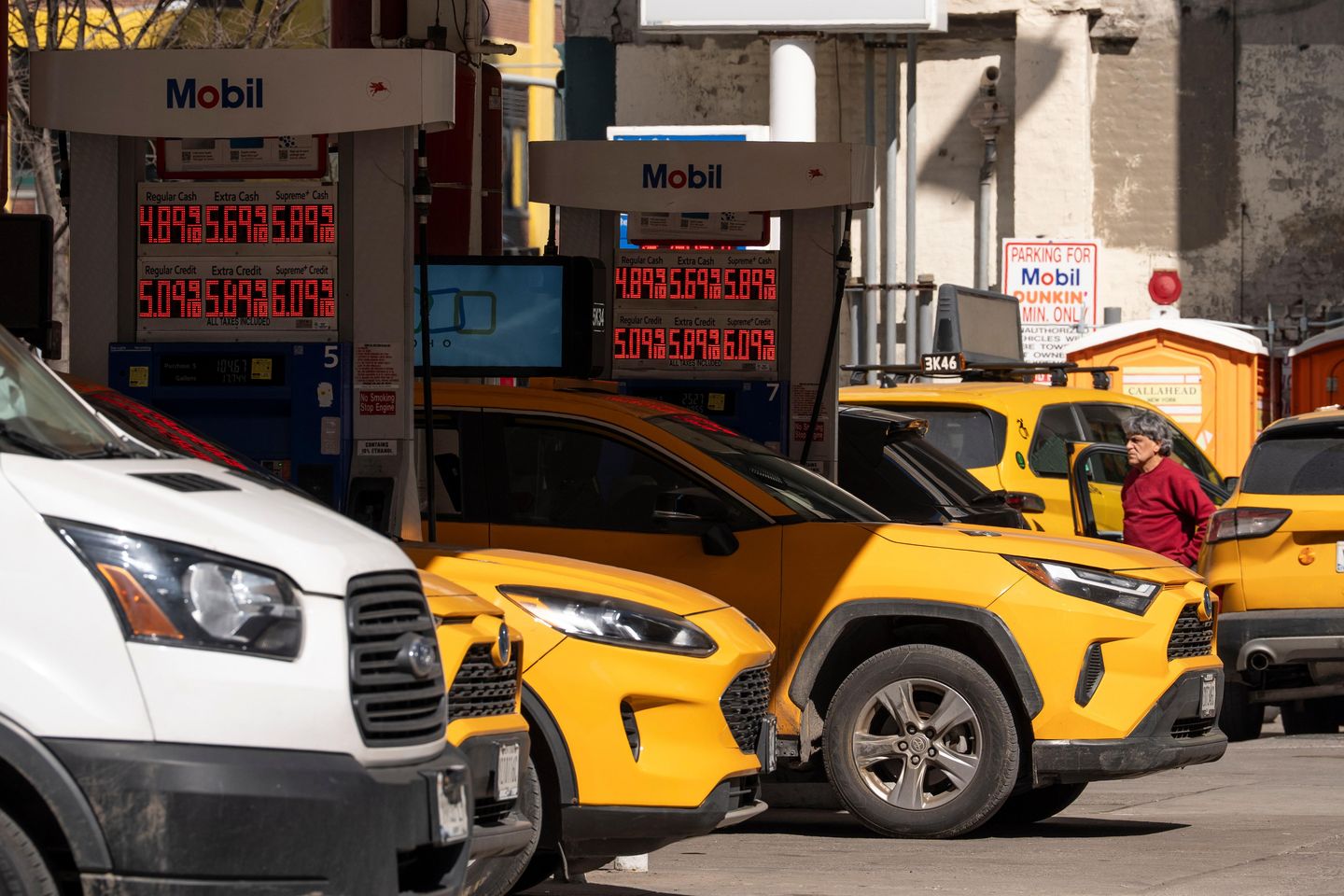
Oil prices surged above $100 per barrel earlier in the week before easing below $90 as major economies released supply from strategic stockpiles and Mr. Trump suggested the war could end soon.
It’s unclear if the stockpile release will be able to make up for the 20 million barrels that travel the strait each day.
“To be clear, the most important thing for a return to stable flows of oil and gas is the resumption of transit through the Strait of Hormuz,” Mr. Birol said.
U.S. stocks and oil prices did not appear to move dramatically after the announcement.
New challenges are appearing in Hormuz, including reports that three vessels were struck by Iranian projectiles on Wednesday.
The IEA is a Paris-based intergovernmental agency of 32 countries that works to ensure a stable energy supply around the world.
Mr. Birol said the IEA made similar mass releases of oil five times before: to address the first Gulf War, Hurricane Katrina and the Libyan civil war, plus twice in the months following Russia’s invasion of Ukraine.
Earlier Wednesday, Japanese Prime Minister Sanae Takaichi announced that her country would begin releasing oil from its reserves as soon as next week. Much of Japan’s oil supply comes through Hormuz.