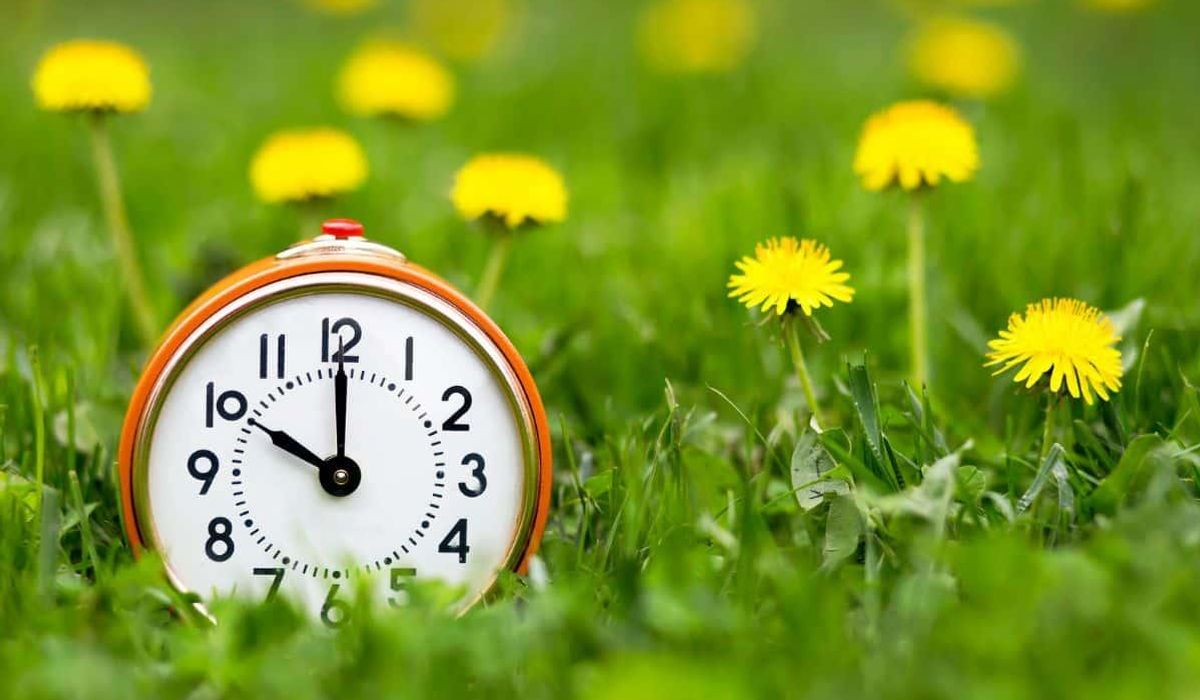
The annual “spring forward” is nearly here, and Americans should prepare to lose an hour of sleep this weekend.
Daylight saving time begins at 2 a.m. on Sunday, when clocks jump ahead one hour, instantly making it 3 a.m. The shift means sunrises and sunsets will arrive an hour later, delivering the longer, brighter evenings many welcome after a long winter.
The time change affects hundreds of millions of Americans, touching everything from sleep schedules to daily routines. Most smartphones and computers will update automatically, but manual clocks — and the batteries in your smoke alarm — will need attention.
The tradition has roots going back further than most realize. The U.S. standardized the practice in 1966, when President Lyndon B. Johnson signed the Uniform Time Act, originally conceived as an energy conservation measure. Since 2007, daylight saving time has kicked off on the second Sunday of March each year.
Not every American adjusts their clock, however. Hawaii and Arizona opt out of the practice entirely, as do U.S. territories including Puerto Rico, Guam and the Virgin Islands.
The ritual may not last forever. President Trump expressed interest in eliminating the time change in December 2024, and the debate in Congress continues. But until lawmakers act, Americans will keep springing forward — and falling back on the first Sunday of November.
This article is written with the assistance of generative artificial intelligence based solely on Washington Times original reporting and wire services. For more information, please read our AI policy or contact Steve Fink, Director of Artificial Intelligence, at sfink@washingtontimes.com
The Washington Times AI Ethics Newsroom Committee can be reached at aispotlight@washingtontimes.com.