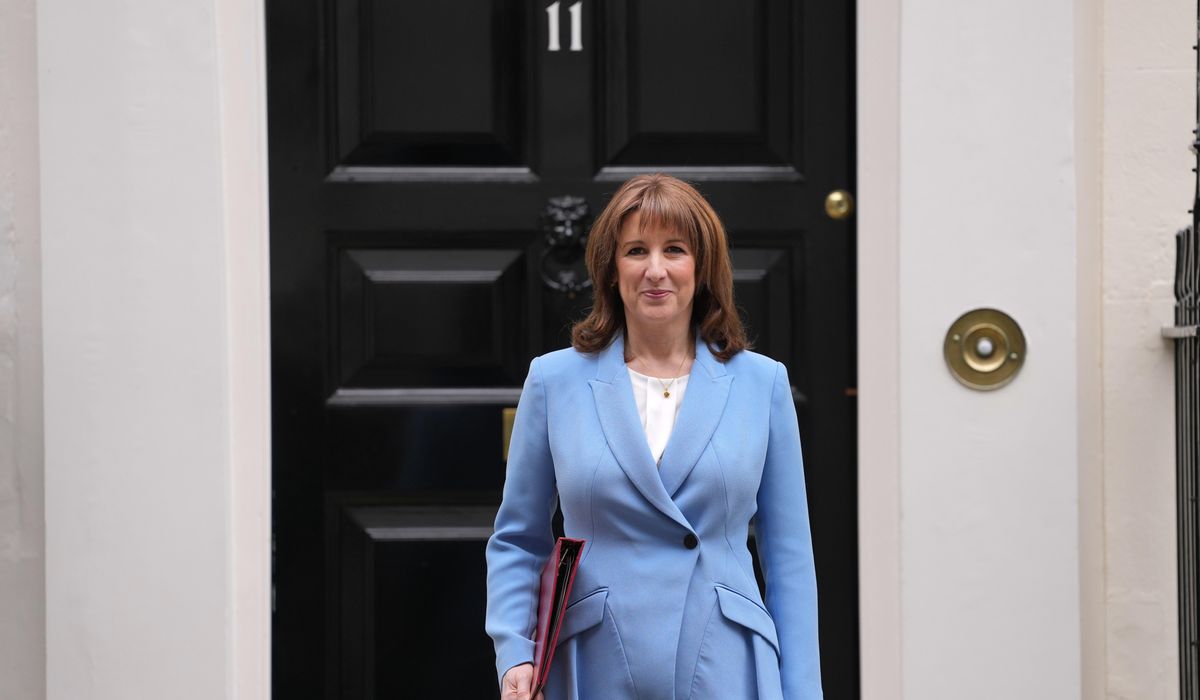
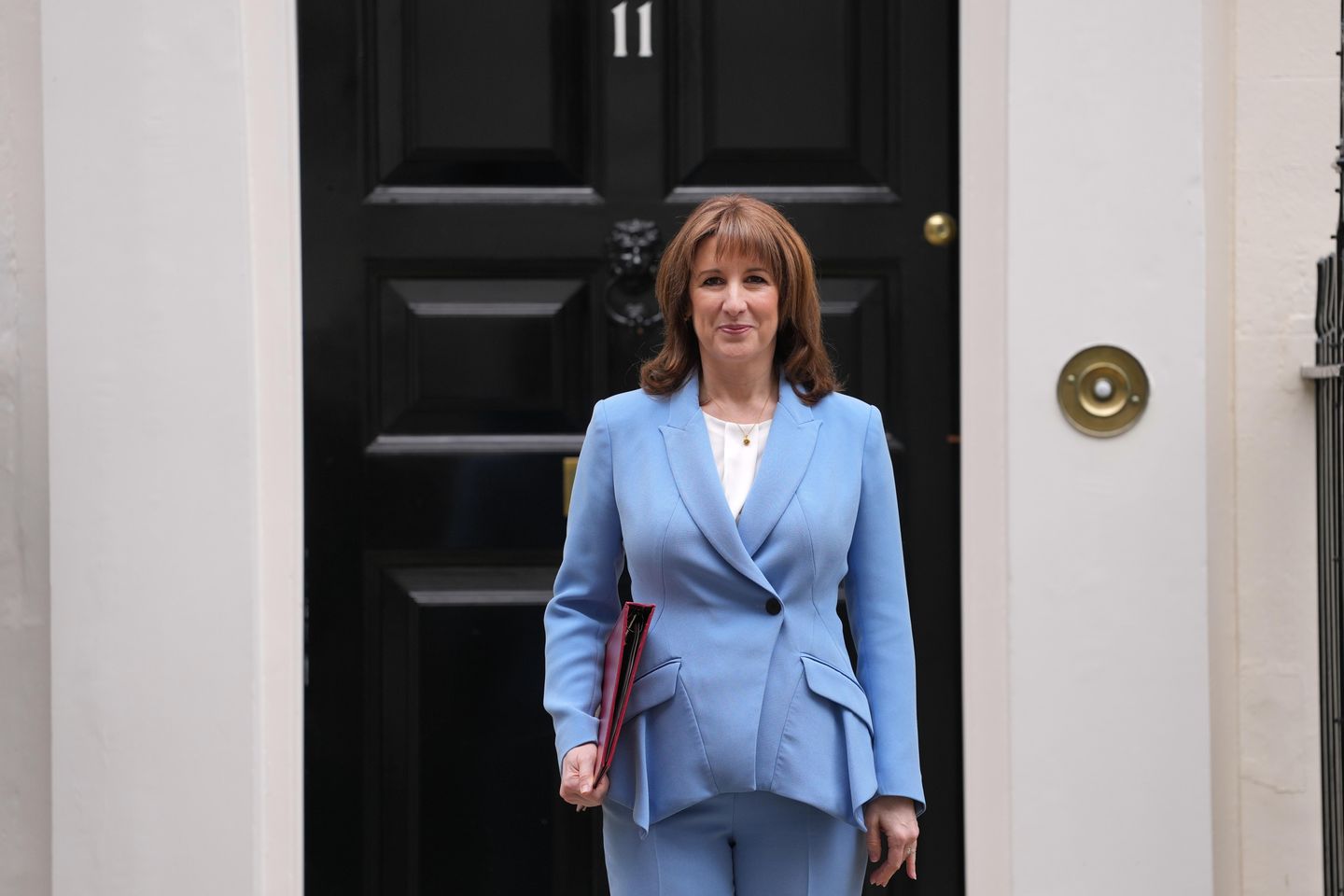
LONDON — With oil prices soaring and stocks tanking, the fast-evolving Iran war has cast a pall over the economic forecasts that British Treasury chief Rachel Reeves is set to unveil on Tuesday.
Reeves had hoped her statement to the House of Commons would be a relatively low-key affair, with the forecasts showing the key economic numbers broadly heading in the right direction. No tax and spending decisions are anticipated.
However, economists are warning that the Iran war could upend the forecasts within her Spring Statement, depressing growth, stoking inflation and increasing debt.
Perhaps most significantly, the price of Brent international oil standard has spiked by more than 15% this week to over $80 a barrel, while global gas prices, which the U.K. is particularly reliant on, have nearly doubled. If sustained, both would certainly lead to higher energy bills for businesses and households, fuelling inflation and keeping a lid on growth.
“With the world plunged into fresh uncertainty, she is likely to strike a highly cautious tone, focusing on maintaining stability and sticking to fiscal rules amid heightened tensions,” said Susannah Streeter, chief investment strategist at Wealth Club, an investment service.
Ahead of her statement, the Treasury said Reeves will stress the importance of economic stability in an increasingly uncertain world.
Reflecting on the decisions the government has taken, Reeves is expected to point to already falling inflation and interest rate cuts, which are easing the cost-of-living pressures on family finances.
“This government has the right economic plan for our country, in a world that has become yet more uncertain,” she is expected to tell lawmakers.
Britain’s Labour government, which has lost significant support since it won the general election in 2024, has been hoping that 2026 would be the year that it was clear the British economy was on a sounder footing than it has been for years.
Some recent economic indicators have pointed to a pickup in growth in the early part of 2026. Inflation is also set to fall sharply in the coming months, prompting the Bank of England to cut interest rates further. Last month, the bank kept its main rate unchanged at 3.75%.