1. How much have EV sales dropped since the federal tax credit ended?
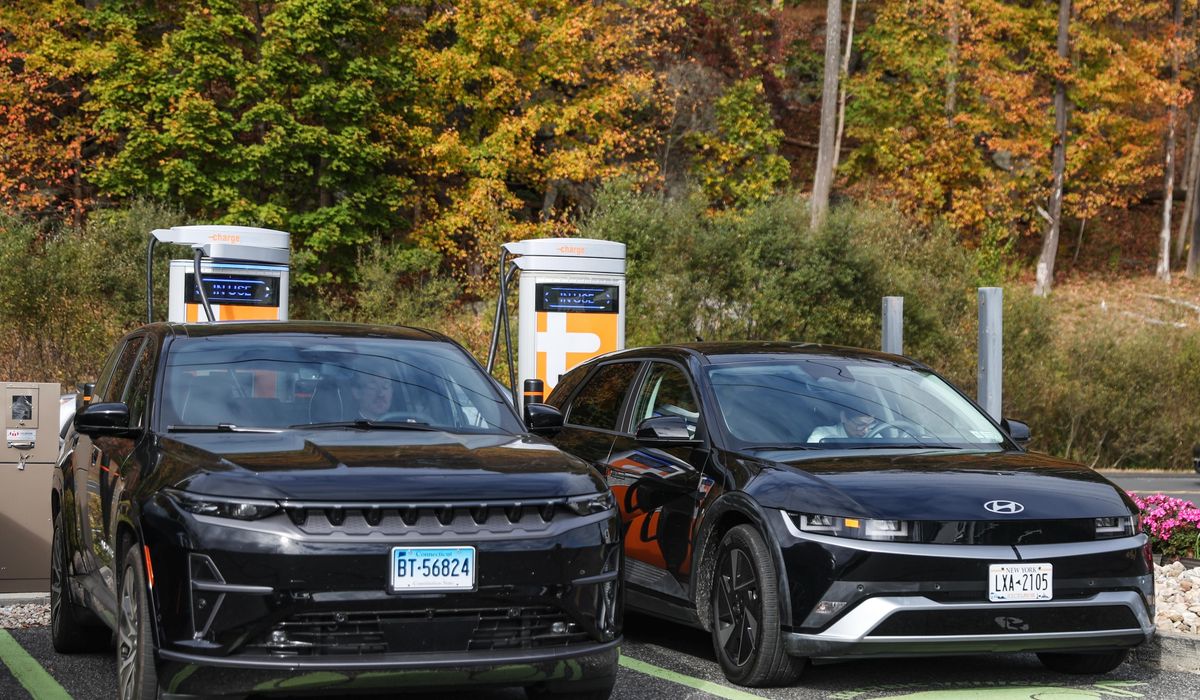
Electric vehicle sales plummeted by nearly one-third in October after President Trump and congressional Republicans eliminated the $7,500 federal tax credit. Dealers sold 74,835 EVs in October, a 30.3% decrease from October 2024 and more than 48% lower than September, the final month the credit was available.
2. What other policy changes have affected the EV market beyond the tax credit?
Congress removed penalties for automakers that failed to meet Corporate Average Fuel Economy standards, which had compelled manufacturers to produce increasing numbers of EVs. EPA Administrator Lee Zeldin also moved to rescind the 2009 endangerment finding used to regulate tailpipe emissions, and Congress blocked California’s rule banning new gas-powered vehicle sales by 2035.
3. Why are consumers hesitant to buy electric vehicles?
According to an AAA survey, only 16% of U.S. adults said they were likely to purchase an EV as their next car, the lowest since 2019. Consumers cite high battery repair costs, high purchase prices (averaging $59,125 compared to $49,084 for gas-powered vehicles), and limited driving range as key deterrents, with lower gas prices further reducing EV appeal.
SEE ALSO: Americans shun EVs as tax credits disappear; industry adjusting to rollback of rules
4. How are automakers responding to decreased EV demand?
Major manufacturers, including Ford, Nissan, Kia, Mercedes, Stellantis, and Porsche, have scaled back electric vehicle production due to low consumer interest. Ford CEO Jim Farley predicts 2026 EV sales could be “cut in half or more,” and Ford may discontinue the F-150 Lightning electric truck because of weak sales.
5. What does this mean for the future of the car market?
Industry experts expect automakers to build more hybrid vehicles and ease price increases on gasoline-powered vehicles since they no longer need to offset EV losses. Dealers report consumers are gravitating toward hybrids as a middle ground, especially in areas with limited charging infrastructure, representing a market recalibration rather than the disappearance of EVs entirely.
Read more: Americans shun EVs as tax credits disappear; industry adjusting to rollback of rules
This article is written with the assistance of generative artificial intelligence based solely on Washington Times original reporting and wire services. For more information, please read our AI policy or contact Ann Wog, Managing Editor for Digital, at awog@washingtontimes.com
The Washington Times AI Ethics Newsroom Committee can be reached at aispotlight@washingtontimes.com.